
What Causes Garage Door Panels to Warp in Hot Weather?
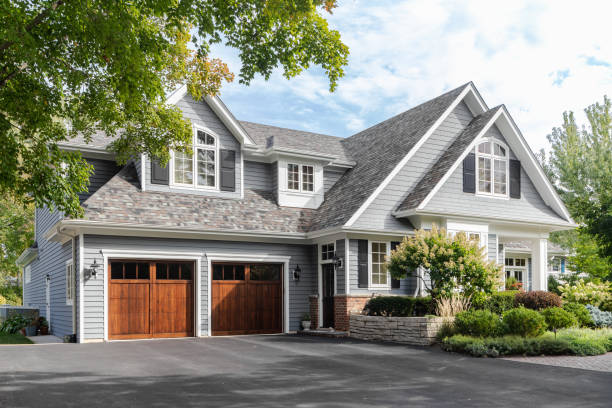
Garage doors are exposed to sunlight, changing temperatures, humidity, and other outdoor conditions throughout the year. During hot weather, these factors can affect the shape, appearance, and performance of garage door panels. Homeowners in South Florida may notice panels bending, bowing, or looking uneven after prolonged exposure to direct sunlight.
Understanding what causes garage door panels to warp in hot weather can help homeowners identify early warning signs, protect their investment, and determine when professional repairs are needed. With proper maintenance and the right garage door materials, it is possible to reduce heat-related damage and keep the door operating smoothly.
How Does Hot Weather Affect Garage Door Panels?
Garage door panels are made from materials such as steel, aluminum, wood, and composite products. Each material responds differently to temperature changes. When the temperature rises, most materials expand slightly. As they cool, they contract again.
Repeated expansion and contraction can place stress on garage door panels, especially when one side receives more heat than the other. Direct sunlight may heat the exterior surface while the interior remains cooler. This difference can cause certain panels to bend or bow.
The effect depends on the door’s construction, color, insulation, size, and exposure to sunlight. Some doors may show temporary bowing during the hottest part of the day, while others can develop lasting deformation due to prolonged stress, moisture damage, or weakened structural components.
Homeowners who understand these effects can make better decisions about garage door maintenance, repairs, and replacement.
1. Direct Sunlight and Excessive Heat
Direct sunlight is one of the most common contributors to heat-related garage door panel warping. A garage door facing the afternoon sun can become considerably hotter than the surrounding air.
When the exterior surface heats unevenly, different parts of the panel expand at different rates. This uneven expansion can cause the panel to curve outward or inward. The effect may be more noticeable on large doors that receive several hours of direct sunlight each day.
Dark-colored doors can absorb more solar energy than lighter-colored alternatives, increasing the temperature of the exterior surface. This does not mean dark garage doors will always warp, but the color can contribute to thermal stress under certain conditions.
Homeowners can reduce this risk by choosing suitable finishes, following the manufacturer’s recommendations, and asking a garage door professional whether additional reinforcement is appropriate for their specific door.
2. Humidity and Moisture Exposure
Heat is not the only environmental factor that affects garage door panels. Humidity and moisture can also contribute to warping, particularly in wood and certain composite materials.
South Florida experiences humid conditions and frequent rainfall. When wooden panels absorb moisture, they can swell unevenly. If one section absorbs more water than another, the panel may begin to bend, twist, or lose its original shape.
Moisture can also damage protective coatings over time. Peeling paint, cracked finishes, and exposed wood surfaces may allow additional water to penetrate the material.
To minimize moisture-related damage, inspect the door’s finish regularly and address peeling paint or damaged sealants according to the manufacturer’s recommendations. Check the bottom weather seal as well, because deterioration can allow rainwater and debris to enter the garage.
If a wooden panel is already warped, simply repainting it may not correct the underlying structural problem. A professional inspection can help determine whether the panel can be repaired or should be replaced.
3. Choosing the Wrong Garage Door Material
The material used to construct a garage door plays an important role in its resistance to environmental conditions. Some materials require more maintenance than others, and their performance depends on the quality of construction and installation.
Steel garage doors are popular because they provide strength and can be manufactured with insulated layers. However, thin steel panels may develop visible surface distortion under certain heat conditions.
Aluminum doors are lightweight and naturally resistant to rust, making them useful in coastal environments. However, aluminum generally expands more with temperature changes than steel, so panel design and reinforcement matter.
Wooden doors offer a traditional appearance but need consistent maintenance to protect them from humidity, moisture, and changing temperatures. Composite doors may offer an alternative, although their performance depends on the specific materials and construction.
Before choosing a replacement, review the available types of garage doors to compare styles, materials, insulation options, and maintenance requirements.
Selecting a door suited to the local climate can help reduce future problems and support long-term performance.
4. Poor Insulation and Uneven Temperature Differences
Insulation can influence how a garage door responds to heat. On some insulated doors, the exterior and interior surfaces experience different temperatures. When the outer skin becomes much hotter than the inner skin, the difference in expansion can cause the panel to bow.
This behavior is commonly known as thermal bowing. It can occur even with properly manufactured doors and does not automatically indicate a defect.
The severity depends on factors such as door color, direct sunlight, panel construction, insulation design, and the temperature difference between the two surfaces.
Insulation can still provide valuable benefits, including improved temperature control and reduced heat transfer into the garage. However, insulation alone does not guarantee that a door will never warp.
When choosing an insulated garage door, homeowners should consider the complete door system rather than insulation alone. Panel strength, construction quality, reinforcement, and manufacturer guidance are also important.
5. Worn Components and Inadequate Reinforcement
Garage door panels rely on hinges, rollers, tracks, brackets, and other hardware to move properly. If these components become worn, loose, or misaligned, the door may experience uneven movement and additional stress.
A panel that appears bent may have a structural problem, but it could also be affected by loose hardware, damaged hinges, or an alignment issue. These problems can become more noticeable when heat causes materials to expand.
Reinforcement may help limit thermal bowing in certain door designs. However, the correct solution depends on the manufacturer’s specifications and the condition of the existing door.
Avoid attempting to straighten a panel by force or adding reinforcement without professional guidance. Garage doors are heavy, and their springs and cables can carry dangerous tension. A qualified technician can inspect the door and determine whether adjustments, reinforcement, or panel replacement are appropriate.
6. How to Recognize Warped Garage Door Panels
Identifying early signs of warping can help prevent additional damage. Inspect your garage door periodically, especially after long periods of hot weather.
Common warning signs include:
- Panels that appear curved, bent, or wavy.
- Uneven gaps between door sections or around the frame.
- A door that rubs against the opening during operation.
- New grinding, scraping, or unusual noises.
- Difficulty opening or closing the door.
- Cracked finishes, peeling paint, or swelling on wooden sections.
Pay attention to when the problem occurs. If a panel bows during the hottest part of the day and returns closer to its original shape in cooler conditions, thermal bowing may be involved.
However, visible distortion that remains after the door cools, worsens over time, or interferes with operation deserves professional attention. Do not assume that every uneven panel is caused by heat alone.
7. Practical Ways to Prevent Garage Door Warping
Although it may not be possible to eliminate all heat-related movement, several maintenance steps can reduce the risk of damage.
Choose an appropriate door color. Lighter or heat-reflective finishes may reduce solar heat absorption. If you prefer a dark finish, ask the manufacturer about products designed for higher heat exposure.
Inspect the protective finish. Repair damaged paint or coatings as recommended to help protect the underlying material from sunlight and moisture.
Maintain weather seals. Replace brittle, cracked, or flattened seals when needed. Healthy seals help limit water intrusion and unwanted outdoor air.
Keep the door properly maintained. Schedule periodic inspections of rollers, hinges, tracks, springs, and other hardware. A well-maintained system is less likely to develop additional problems from uneven movement.
Consider insulation and panel construction. When replacing an older door, compare insulated and non-insulated designs, panel thickness, reinforcement, and the manufacturer’s recommendations for sun-exposed locations.
Address problems early. If you notice persistent bowing or difficulty operating the door, arrange an inspection before the damage affects other components.
These steps can help preserve the door’s appearance, support smooth operation, and reduce avoidable repair costs.
8. Should You Repair or Replace Warped Garage Door Panels?
The right solution depends on the severity and location of the damage. Minor issues caused by loose hardware or alignment problems may be corrected without replacing the entire door.
If the damage is limited to one panel, replacement may be possible when a compatible section is available and the remaining door structure is in good condition. However, severe bending, cracked structural components, or extensive deterioration may make replacing the entire door a more practical option.
Homeowners comparing replacement materials can review this guide to steel vs. aluminum garage doors to understand the differences in strength, weight, corrosion resistance, and other considerations.
A professional assessment should also consider the door’s age, insulation, appearance, hardware condition, and repair costs. A technician can explain the available options and help you choose a solution that suits your property and budget.
Never attempt to repair severely bent panels or adjust high-tension springs yourself. Improper repairs can create serious safety risks.
Garage Door Panel Repair in Pompano Beach, FL
Hot weather, intense sunlight, and humid conditions can put additional demands on garage doors in South Florida. For homeowners in Pompano Beach, regular inspections and appropriate material selection can help identify potential problems before they interfere with everyday use.
Ariel Garage Door Services provides garage door solutions for homeowners who need assistance with door performance, damaged panels, and related mechanical issues. If your garage door has developed visible warping, unusual gaps, or difficulty opening and closing, a professional inspection can help identify the cause and determine the next step.
Visit the Pompano Beach, FL service area page to learn more about local service options.
Addressing panel damage early can help prevent additional strain on the garage door opener, tracks, rollers, and other components. It can also help maintain the appearance, security, and everyday functionality of your garage.
Conclusion
Garage door panels can warp in hot weather because of direct sunlight, uneven temperature changes, moisture exposure, material characteristics, and inadequate structural support. Dark finishes, thin panels, and prolonged sun exposure may increase the risk under certain conditions.
Homeowners can reduce potential damage by choosing suitable materials, maintaining protective finishes, inspecting weather seals, and arranging regular professional maintenance. When warping occurs, identifying the underlying cause is essential to deciding whether a repair, reinforcement, panel replacement, or complete door replacement is the best option.
For homeowners in Pompano Beach, FL, understanding how heat affects garage door panels is a useful step toward maintaining a durable, attractive, and properly functioning garage door throughout the year.