
The Fastest Hands in Cricket: Inside the Art of Modern Wicketkeeping
Introduction
Wicketkeeping is the hardest job in cricket. A keeper crouches for six hours, and he takes every ball, and he must catch what others drop, and he must stump a batter who is a millimetre out of his crease, and he must do it in a fraction of a second. MS Dhoni once whipped the bails off in 0.08 seconds, faster than a blink. Mark Boucher took 998 dismissals, two short of 1,000. Rishabh Pant took 11 catches in one Test, a world record. Adam Gilchrist changed the job forever, by batting like an opener and keeping like a master. Fans who follow the game with a SkyExchange ID will have watched these keepers, and wondered what makes the fastest hands in cricket, and how the art works. This blog opens the gloves, and shows you.
The Stumping: 0.08 Seconds
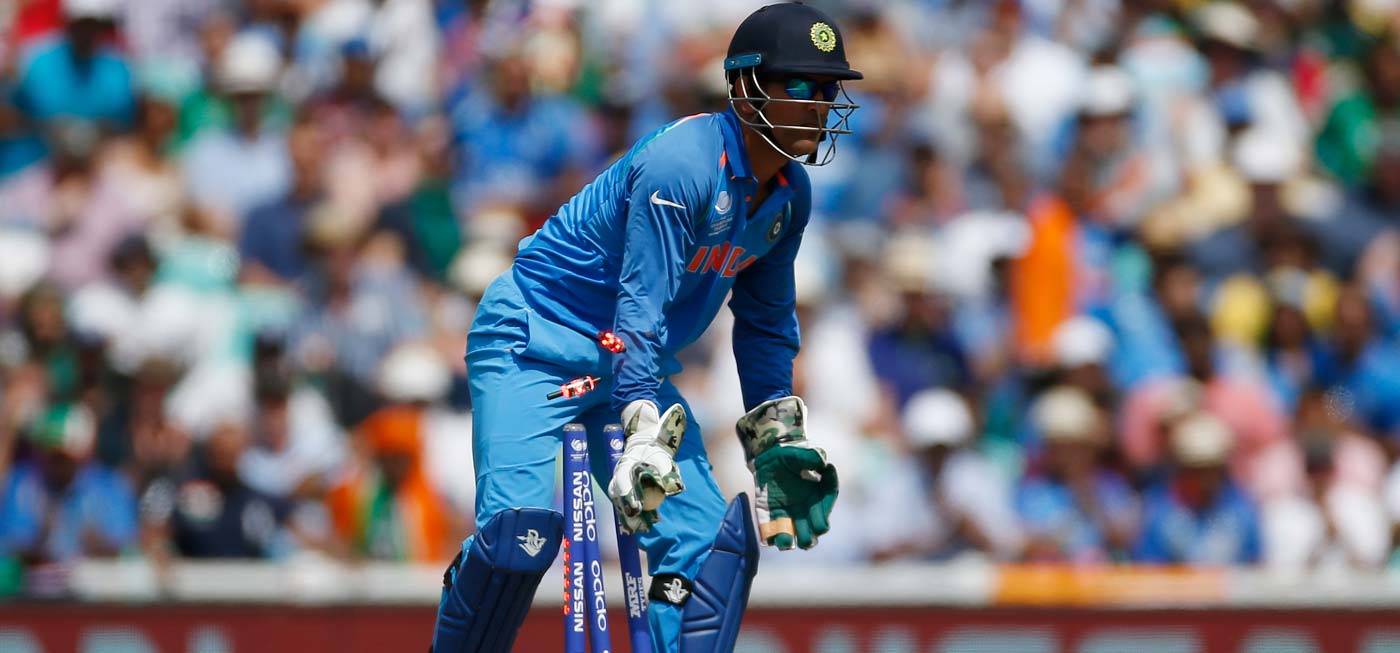
A stumping is the fastest dismissal in cricket. The batter steps out, and the keeper takes the ball, and he whips the bails off, before the batter can get his foot back. MS Dhoni is the fastest ever at it. He effected 195 stumpings in international cricket, more than any keeper in history. The next best is Kumar Sangakkara, with 139, and Adam Gilchrist had 92. Dhoni’s 195 is 56 more than Sangakkara, and more than twice Gilchrist’s. In ODIs, Dhoni has 123 stumpings, the most ever, ahead of Sangakkara’s 99. In Tests, he has 38 stumpings, tied for third with Syed Kirmani. Dhoni’s fastest stumping came in 2018, against West Indies, when he dismissed Keemo Paul, whipping the bails off in just 0.08 seconds. A human eye takes about 0.15 seconds to blink. Dhoni was faster than a blink. That is the art of the stumping: not strength, but speed, and timing, and hands that move before the mind catches up.
0.08 Seconds
Dhoni’s 0.08-second stumping, against West Indies in 2018, is the fastest on broadcast. He took the ball, and he whipped the bails off, in less time than it takes to blink. A stumping is not about power. It is about hands that are already moving before the ball arrives.
The Catch: 998 Dismissals
The catch is the keeper’s bread and butter, and Mark Boucher took more than anyone. Boucher played 467 matches for South Africa, and he completed 998 dismissals, with 952 catches and 46 stumpings. He is the world record holder for most dismissals in international cricket, and he stopped just two short of 1,000, when a career-ending eye injury ended his career in 2012. Adam Gilchrist is second, with 905 dismissals in 396 matches, with 813 catches and 92 stumpings. Gilchrist is the only keeper who is runner-up in two formats: he has 416 dismissals in Tests and 472 in ODIs. MS Dhoni is third, with 829 dismissals in 538 matches, with 634 catches and 195 stumpings. Kumar Sangakkara is fourth, with 678, and Ian Healy is fifth, with 628. Boucher’s 998 breaks down as 555 in 147 Tests, 424 in 295 ODIs, and 19 in T20Is. A keeper’s job is to catch, and Boucher caught more than anyone, for 15 years, and he never stopped.
11 Catches in Adelaide
Rishabh Pant took 11 catches in one Test, against Australia in Adelaide in December 2018, and it is the world record. Pant took six catches in Australia’s first innings, the most by any gloveman in one innings at the venue, and five more in the second, as India won by 31 runs. He equalled the world record of England’s Jack Russell and South Africa’s AB de Villiers, and he surpassed Dhoni’s best of nine, and Wriddhiman Saha’s Indian record of 10. Pant also took 20 catches in that series, the highest by an Indian keeper in a Test series. He was 21 years old, playing his sixth Test, and he took 11 catches. That is the art of the catch: not just taking the easy ones, but taking them all.
Standing Up to Spin: The Hardest Skill
Standing up to the stumps is the hardest skill in keeping. When a fast bowler bowls, the keeper stands back, and he has time. When a spinner bowls, the keeper stands up, inches from the stumps, and he must take the ball as it turns, and he must stump a batter who is a millimetre out. Dhoni was the best at it, because he kept to India’s spinners for 15 years, and he took 195 stumpings, most of them standing up. Pant learned it too: in Adelaide, he took a catch off Usman Khawaja’s glove while keeping up to the stumps to Ravi Ashwin. Standing up is about courage, because the ball can hit you, and it is about stillness, because you cannot move until the ball is there, and it is about hands, because you have no time. A keeper who stands up is not hiding. He is daring the batter to step out, and he is ready to punish him.
The Gloves: The Tools of the Trade
A keeper’s gloves are the smallest kit in cricket, and the most important. They are padded, and webbed, and they must catch a ball travelling at 150 kmph, and they must take a spinner’s turn, and they must whip the bails off in 0.08 seconds. The gloves are not like a fielder’s hands. They are a tool, and the keeper must know them, and trust them, and keep them clean. A keeper also wears pads, and a helmet when he stands up, and he crouches for six hours, and his knees take the strain, and his fingers take the bruises. Boucher kept for 15 years, and Dhoni for 15 years, and Gilchrist for 12 years, and their bodies paid the price. The gloves are the tools, but the hands are the art, and the art is in the fingers, and the wrists, and the stillness, and the speed.
The DRS Brain: The Review From Behind
The modern keeper is also a brain. He is the closest to the action, and he sees the ball better than anyone, and he must tell the captain whether to review. Dhoni was the best at it, and his accuracy with DRS was unprecedented, and India won games because he knew when to review, and when not to. Pant learned it too: during India’s Test series against England, Virat Kohli benefited from Pant’s judgement, when he was hesitant about taking a review. Pant also became the fastest Indian to 50 Test dismissals, in just 11 Tests, against West Indies at Sabina Park in September 2019, beating Dhoni’s 15 Tests. The DRS brain is a new skill, and it is as important as the hands, because a wrong review costs a team, and a right review wins a match.
The Review From Behind
Dhoni’s DRS accuracy was unprecedented, and Pant’s judgement helped Kohli win reviews against England. A keeper sees the ball better than anyone, and he must tell the captain whether to review. That is the DRS brain, and it is as important as the hands.
The Batter-Keeper: Gilchrist Changed the Job
Adam Gilchrist changed wicketkeeping forever, by batting like an opener. Before Gilchrist, a keeper was a specialist, and he batted at seven, and he scored some runs. Gilchrist opened the batting in ODIs, and he scored 9,595 runs, the second-most for Australia in ODIs, and he took 905 dismissals, and he made the keeper-batter the most valuable player in the team. Dhoni followed him: he scored more than 17,000 runs across formats, and he took 829 dismissals, and he captained India to all three white-ball ICC trophies, the only captain ever to do it. As a captain-keeper, Dhoni recorded 531 dismissals, with 412 catches and 119 stumpings, and the next best is Sarfaraz Ahmed, with 150. Pant is the next in line: he became the fastest Indian keeper to 1,000 Test runs, in 27 innings, beating Dhoni’s 32, at the Gabba in 2020-21, and he was the first Indian to start his Test career with a six, against England at Trent Bridge in 2018. The modern keeper is not just a keeper. He is a batter, and a captain, and a brain, and he must do it all.
Gilchrist Changed the Job
Gilchrist opened the batting, and he scored 9,595 ODI runs, and he took 905 dismissals, and he made the keeper-batter the most valuable player in the team. Before him, a keeper batted at seven. After him, a keeper opened. That is how one man changed a job.
The 998 That Almost Was 1,000
Mark Boucher stopped at 998 dismissals, two short of 1,000, and it is the cruellest number in cricket. Boucher played for 15 years, from 1997 to 2012, and he took 555 dismissals in Tests, the most ever in the format, and 424 in ODIs, and he was two short of 1,000 when a career-ending eye injury stopped him. He never played again. Boucher’s 998 is the world record, and it has stood since 2012, and no one has come close. Dhoni is third with 829, and the next best active keeper is far behind. Boucher’s 998 is a reminder that keeping is a job of the body, and the body breaks, and the record is not just about skill. It is about survival, and about lasting 15 years, and about taking every ball, for 467 matches, and never stopping. Two short of 1,000, and still the best ever.
How Fans Followed the Keepers With a SkyExchange ID
The keepers are the fastest hands in cricket, and the fans watched them, because a stumping in 0.08 seconds is the fastest thing in the game, and a catch in Adelaide is the best thing in the game. A fan who watched Dhoni whip the bails off, and Boucher take his 998th dismissal, and Pant take 11 catches, watched the art of keeping, and wondered how they do it. Fans who follow the game with a SkyExchange ID will have watched these keepers, and this blog has shown them how.
A SkyExchange ID online is one way fans kept up with the live scorecard, the team totals, and the key moments in each match. Live updates mattered in a T20 match, when a team’s fortunes could change after a single over. A fan who checked in at the wrong time could miss the whole story.
A SkyExchange login is the step fans use to access their account and check the latest match information. Once logged in, they could see the teams, the score, and the updates that mattered. Fans should only use official platforms and keep their account details private.
Using a SkyExchange ID Online to Follow Live Matches
Fans can follow a match from anywhere, whether they are at home, travelling, or watching with friends. In a T20 match, that matters most when the match is being played, and every ball counts. Live updates helped them catch the key moments: a big over, a wicket that changed the game, or a chase that sealed the title.
SkyExchange Login: Checking Scores, Squads and Updates
It is a simple, familiar process for people who follow cricket online regularly. For each game, that meant checking the playing eleven before the toss, following the live scorecard, and reading the match summary afterwards. A stumping takes 0.08 seconds, but fans who followed it live will remember it most of all.
FAQs
Who has the most dismissals by a wicketkeeper in international cricket?
Mark Boucher has the most dismissals by a wicketkeeper in international cricket, with 998 in 467 matches, including 952 catches and 46 stumpings. Adam Gilchrist is second with 905, and MS Dhoni is third with 829. Boucher stopped two short of 1,000 when a career-ending eye injury ended his career in 2012.
What is the fastest stumping in cricket?
MS Dhoni holds the record for the fastest stumping on broadcast, dismissing West Indies batter Keemo Paul in 2018 by whipping the bails off in just 0.08 seconds. A human eye takes about 0.15 seconds to blink, so Dhoni was faster than a blink. Dhoni also has the most stumpings ever, with 195 in international cricket.
How many catches did Rishabh Pant take in the Adelaide Test?
Rishabh Pant took 11 catches in the first Test against Australia at Adelaide in December 2018, equalling the world record held by Jack Russell and AB de Villiers. He took six in the first innings and five in the second, as India won by 31 runs, and he also took 20 catches in the series, the most by an Indian keeper in a Test series.
Why did Adam Gilchrist change wicketkeeping?
Gilchrist changed wicketkeeping by batting like an opener, scoring 9,595 ODI runs, the second-most for Australia, while also taking 905 dismissals. Before him, keepers batted at seven and scored some runs. After him, the keeper-batter became the most valuable player in the team, a model Dhoni and Pant followed.
How did fans follow wicketkeeping records live online?
Many fans followed live scores on their phones. A SkyExchange ID online helped supporters check the live scorecard and key moments in one place, while a SkyExchange login gave them access to follow updates during the match, including the toss and team announcements.
Conclusion
The fastest hands in cricket belong to Dhoni, Boucher, Gilchrist, and Pant, and they teach us the same lesson: keeping is the hardest job in the game, and the best keepers make it look easy. Dhoni stumped a batter in 0.08 seconds, faster than a blink. Boucher took 998 dismissals, two short of 1,000, and he never stopped. Gilchrist opened the batting, and he scored 9,595 runs, and he changed the job forever. Pant took 11 catches in Adelaide, at 21, and he showed the future. A keeper crouches for six hours, and he takes every ball, and he must catch, and stump, and review, and bat, and he must do it all. The fastest hands are not just fast. They are brave, and smart, and still, and they are the heart of the team. Fans will be watching the next stumping, and they will be watching the fastest hands in cricket, because a stumping in 0.08 seconds is the fastest thing in the game, and it always will be.