
Scar Removal in Dubai: Recovery and Aftercare Tips
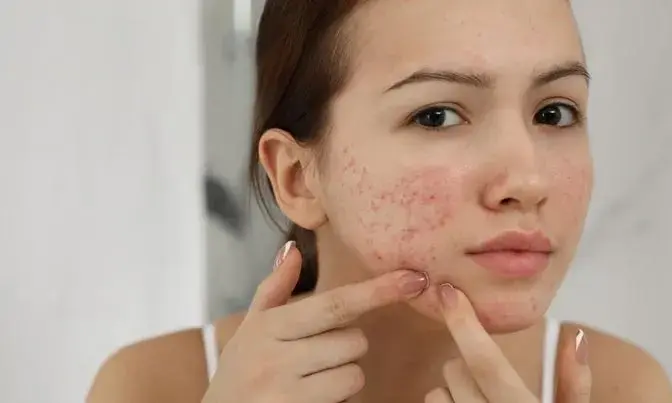
Scars can develop after acne, injuries, burns, surgery, or other skin conditions. Although scars are a natural part of the healing process, some people may feel uncomfortable with their appearance. Modern aesthetic treatments offer different ways to improve the texture, colour, and visibility of scars. With the right treatment and proper aftercare, many people can achieve smoother-looking skin over time.
Scar Removal in Dubai is an option for people who want to improve the appearance of old or new scars with professional guidance. The suitable treatment depends on the type of scar, its size, depth, location, and the individual’s skin condition. At Altaderma Clinic, understanding these factors can help support a personalised approach to scar care.
Recovery is an important part of the treatment process. Following the recommended aftercare instructions can help protect the skin, reduce irritation, and support healing. This article explains the recovery process, useful aftercare tips, treatment options, and factors that may affect Scar Removal cost in Dubai.
Understanding Scar Removal in Dubai at Altaderma Clinic
Scars form when the skin repairs itself after damage. During healing, the body produces collagen to rebuild the affected area. Sometimes, the new tissue looks different from the surrounding skin, creating a visible mark, uneven texture, or raised area.
At Altaderma Clinic, a professional assessment can help identify the type of scar and determine which treatment options may be appropriate. Not every scar responds to the same procedure, so treatment should be selected according to individual skin needs.
Common types of scars include:
- Acne scars: Small depressions, uneven areas, or marks left after acne breakouts.
- Surgical scars: Lines or marks that develop after an operation.
- Injury scars: Marks caused by cuts, accidents, or other skin injuries.
- Hypertrophic scars: Raised scars that remain within the boundaries of the original wound.
- Keloid scars: Raised scars that grow beyond the original wound.
- Pigmented scars: Darker or lighter areas that remain after the skin heals.
Identifying the scar type is an important first step because different scars may require different treatment methods and recovery periods.
How Scar Removal Treatments Help Improve Skin
Scar Removal in Dubai may involve several treatment approaches depending on the cause and appearance of the scar. The goal may be to improve skin texture, reduce visible discolouration, soften raised tissue, or make the scar less noticeable.
Laser Treatments for Scar Improvement
Laser treatments use controlled energy to target specific skin concerns. Depending on the technology used, they may help improve uneven texture, certain acne scars, and pigmentation.
Some laser procedures work by encouraging skin renewal and collagen production. The recovery period varies according to the laser type, treatment intensity, and the individual’s skin response.
After treatment, the skin may appear red, feel warm, or become temporarily sensitive. More intensive procedures may require additional healing time. Following the provider’s instructions is essential for safe recovery.
Microneedling for Uneven Acne Scars
Microneedling uses fine needles to create controlled micro-injuries in the skin. This process stimulates the body’s natural repair response and may help improve the appearance of selected acne scars.
Temporary redness, mild swelling, and sensitivity can occur after the procedure. Patients should avoid irritating skincare products until the skin has recovered sufficiently.
The number of sessions needed depends on scar depth, skin condition, and treatment response. Several sessions may be recommended for gradual improvement.
Treatments for Raised Scars
Raised scars may need a different approach from depressed acne scars. Depending on the scar, treatment options may include silicone-based products, injections, laser procedures, or other specialist treatments.
Keloid scars require particular care because they can grow again after treatment. A qualified professional should assess the scar before recommending a suitable plan.
Combination Treatments for Different Scar Types
Some people have more than one type of scar. For example, acne may leave both dark marks and depressed areas. A combination approach may be considered when different concerns need separate treatments.
At Altaderma Clinic, an individual assessment can help determine whether one procedure or a combination of treatments may be suitable. The treatment plan should consider skin sensitivity, medical history, expected recovery, and realistic results.
Recovery After Scar Removal in Dubai: What to Expect
Recovery depends on the procedure performed. Mild treatments may cause temporary redness, while more intensive treatments can lead to peeling, swelling, or several days of visible healing.
Understanding the general recovery process can help patients prepare and follow appropriate aftercare.
The First 24 to 48 Hours
During the first one or two days, the treated area may feel warm, sensitive, or slightly swollen. Redness is also common after many skin procedures.
During this period:
- Follow the aftercare instructions provided by your practitioner.
- Clean the treated area only as directed.
- Avoid rubbing, scratching, or touching the skin unnecessarily.
- Use recommended moisturising or soothing products.
- Avoid applying makeup until it is safe to do so.
- Keep the area away from excessive heat and direct sunlight.
Do not apply ice directly to the skin or use home remedies unless your provider recommends them. If discomfort becomes severe or symptoms worsen, contact your treating clinic.
The First Week of Recovery
During the first week, the skin may gradually become less red and sensitive. Depending on the procedure, some people may experience dryness, flaking, or mild peeling.
Allow the skin to shed naturally. Picking at peeling skin or scabs can delay healing and increase the risk of infection, pigmentation changes, or additional scarring.
Avoid strong exfoliants, retinoids, scrubs, and products containing irritating ingredients until your practitioner confirms that they can be used again.
Some treatments require longer recovery than one week. Always follow the specific timeline provided for your procedure rather than relying on a general schedule.
Long-Term Skin Healing
Although the surface of the skin may recover within days or weeks, deeper changes can take longer. Collagen remodelling and improvements in scar texture may continue for several weeks or months.
Results are usually gradual rather than immediate. Multiple sessions may be needed, particularly for deeper acne scars or extensive scarring.
Keep follow-up appointments so your practitioner can assess healing and decide whether further treatment is appropriate.
Essential Aftercare Tips for Better Scar Healing
Proper aftercare supports skin recovery and helps reduce the risk of avoidable complications. The following tips can help you care for your skin after a scar treatment.
Keep the Treated Area Clean
Clean the treated area gently according to your practitioner’s instructions. Avoid harsh cleansers, rough washcloths, and excessive rubbing.
If the skin is broken or has developed small crusts, use only the cleansing and wound-care products recommended by your provider. Different procedures require different levels of care.
Protect Your Skin From Sun Exposure
Sun protection is particularly important after scar treatments. Recently treated skin may be more sensitive to ultraviolet radiation, which can increase the risk of dark marks or uneven pigmentation.
Once your practitioner confirms that sunscreen can be applied, use a broad-spectrum sunscreen with SPF 30 or higher. Reapply it as directed, particularly when spending time outdoors.
In Dubai’s sunny climate, protective clothing, shade, and limiting direct midday sun exposure can also help protect recovering skin.
Use Gentle Skincare Products
Choose mild, fragrance-free skincare products when appropriate. A suitable moisturiser can help maintain skin comfort and reduce dryness.
Avoid introducing several new products during recovery. Strong acids, retinoids, exfoliating scrubs, and other active ingredients may irritate healing skin.
Ask your practitioner when you can safely return to your usual skincare routine.
Avoid Picking or Scratching Scars
Picking at scabs, peeling skin, or healing areas can interfere with the natural repair process. It may also increase the risk of infection, inflammation, and additional scarring.
Let the skin heal naturally and follow any dressing or wound-care instructions provided by your clinician.
Follow Activity Restrictions
Some procedures require patients to avoid strenuous exercise, swimming, saunas, or activities that cause excessive sweating for a short period.
Heat, friction, and exposure to potentially contaminated water may irritate recently treated skin. Your practitioner can explain when it is safe to resume these activities based on the procedure performed.
Watch for Unusual Symptoms
Mild redness and sensitivity may be expected after certain treatments. However, increasing pain, spreading redness, worsening swelling, pus, fever, or unusual skin changes may indicate a complication.
Contact your healthcare provider promptly if these symptoms develop. Seek urgent medical care if you experience severe or rapidly worsening symptoms.
Factors That Affect Scar Removal Cost in Dubai
The Scar Removal cost in Dubai can vary depending on the type of treatment, the severity of the scar, and the number of sessions required. A personalised consultation is the best way to understand the likely cost of treatment.
Several factors may influence the overall expense.
Type of Scar and Treatment Method
Small, superficial marks may need a different approach from deep acne scars, surgical scars, or raised scars. The equipment, technique, and level of treatment required can affect the price.
Number of Sessions Required
Some scars improve after one treatment, while others need multiple sessions. The total cost may depend on the number of appointments recommended and the time between sessions.
Size and Location of the Scar
A small scar may require less treatment than a large or extensive area. The location of the scar can also influence which procedure is appropriate.
Practitioner Assessment and Follow-Up Care
Consultation, follow-up visits, and any recommended aftercare products may contribute to the overall treatment expense. It is useful to ask what is included in the quoted price before beginning treatment.
At Altaderma Clinic, patients can discuss their concerns, available options, and expected costs during a consultation. The most suitable treatment should be selected according to clinical needs rather than price alone.
How to Prepare for Scar Removal Treatment
Preparation can help you understand the procedure and make recovery easier to manage.
Before your appointment, discuss your medical history, current medications, allergies, previous scar treatments, and any history of keloid formation. Tell your practitioner if you have an active skin infection, cold sores near the treatment area, or a condition that may affect healing.
Your provider may recommend avoiding certain skincare ingredients or medications before treatment, depending on the procedure. Do not stop prescribed medication without medical advice.
It is also helpful to plan your appointment around your work, social activities, and expected recovery period. If the procedure may cause visible redness or peeling, allow enough time for the skin to heal before an important event.
Who May Benefit From Scar Removal in Dubai?
People who want to improve the appearance of acne scars, injury marks, selected surgical scars, or certain raised scars may benefit from a professional assessment.
However, not every person or scar is suitable for every treatment. Skin tone, scar age, scar depth, medical history, and the tendency to develop pigmentation or raised scars can all affect the treatment choice.
Some scars cannot be completely removed. In many cases, the goal is to make them less visible, improve skin texture, or reduce discomfort rather than eliminate every trace of the scar.
Pregnant patients, people with active skin infections, and individuals with certain medical conditions may need to postpone or avoid particular procedures. A qualified practitioner can explain the benefits, limitations, and potential risks before treatment begins.
Why Choose Altaderma Clinic for Scar Care?
Choosing a suitable clinic involves more than comparing treatment prices. Patients should look for a careful assessment, clear explanations, appropriate hygiene practices, and a treatment plan based on their individual skin concerns.
At Altaderma Clinic, patients can discuss their scar concerns and learn about the available treatment approaches. Understanding the expected results, possible side effects, recovery requirements, and follow-up schedule can help patients make informed decisions.
A good treatment plan should also include realistic expectations. Scar improvement usually takes time, and results vary from person to person. Consistent aftercare and professional follow-up are important parts of the process.
Before proceeding, ask questions about the recommended procedure, the practitioner’s experience, the expected number of sessions, and the full cost of treatment.
Conclusion
Scar Removal in Dubai offers different approaches for improving the appearance of acne scars, injury marks, surgical scars, and other types of skin scarring. The right treatment depends on the scar’s characteristics, skin condition, and individual goals.
Recovery and aftercare are essential parts of the process. Gentle cleansing, appropriate moisturising, sun protection, avoiding irritation, and following professional instructions can help support healing. Patients should also attend follow-up appointments and seek medical advice if unusual symptoms develop.
The Scar Removal cost in Dubai depends on the treatment method, scar size, number of sessions, and other individual factors. A consultation at Altaderma Clinic can help you understand the available options, expected recovery, and likely expenses.
With a suitable treatment plan, realistic expectations, and consistent aftercare, many people can achieve a noticeable improvement in the appearance of their scars and feel more comfortable with their skin.