
Mole Removal in London: How Can Individual Skin Features Influence Treatment?
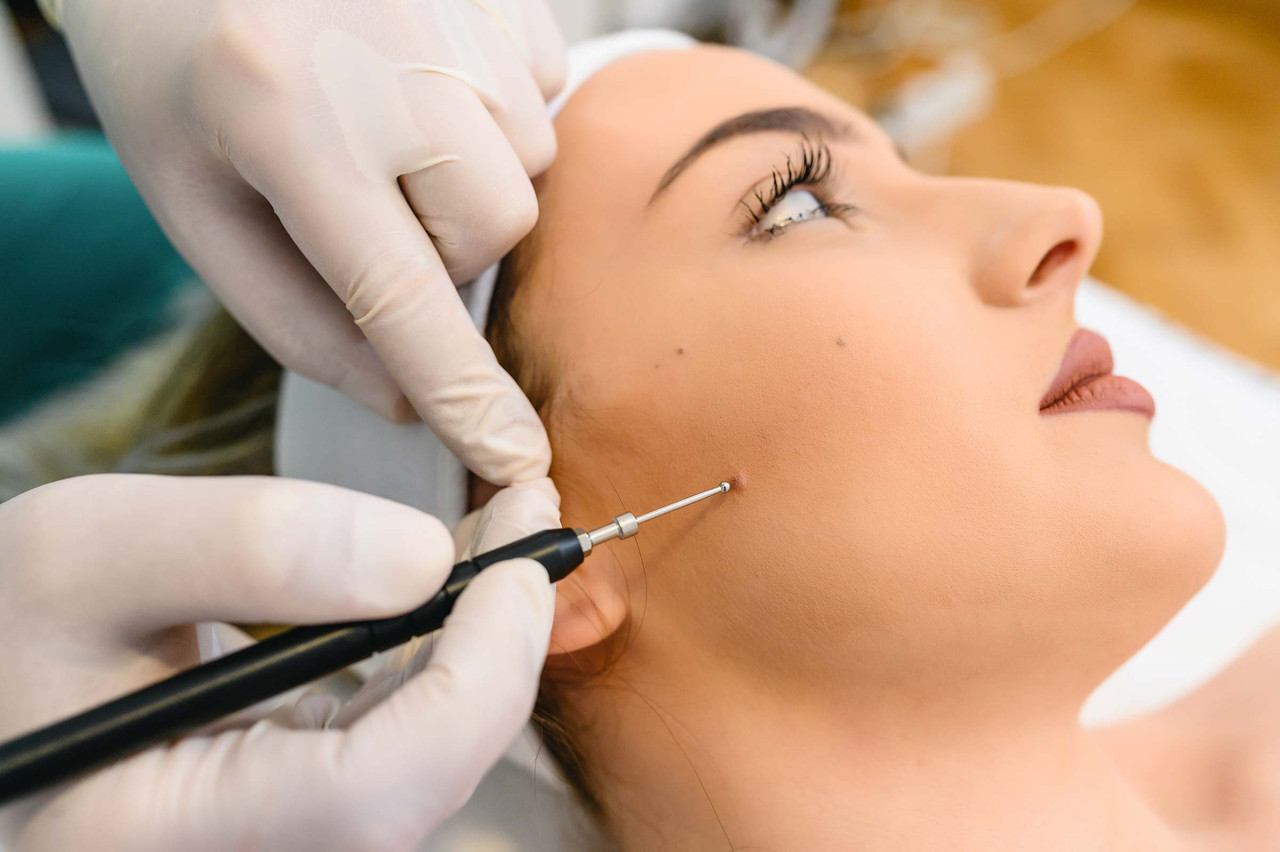
Moles are common skin features that can vary considerably in their size, colour, shape, texture and location. While many moles are harmless, people may seek professional assessment because of cosmetic concerns, changes in appearance or irritation caused by clothing and everyday activities.
When considering Mole Removal in London, treatment planning should begin with an individual assessment rather than assuming that every mole can be approached in the same way. The characteristics of the mole, the surrounding skin and the patient’s medical and treatment history can all influence how the consultation is conducted.
At Bodyvie Clinic, a consultation provides an opportunity to examine an individual mole, discuss the patient’s concerns and determine the appropriate next steps before removal is considered.
Why Individual Skin Features Matter
No two moles are necessarily identical. They can differ in colour, size, shape, surface texture and position on the body. The surrounding skin can also vary depending on the location.
For example, a mole on the face may have different considerations from one on the back or another part of the body. A raised mole may also require a different assessment from one that is flat.
Because of these differences, a personalised consultation is an important part of planning mole removal. The practitioner can examine the specific characteristics of the mole and consider how they relate to the surrounding skin.
What Is Assessed During a Mole Consultation?
A consultation generally involves examining the mole closely and discussing the patient’s concerns. The practitioner may consider several characteristics, including:
- Size and shape
- Colour and pigmentation
- Surface texture
- Whether the mole is flat or raised
- Its position on the body
- The appearance of surrounding skin
- Any changes noticed over time
- Previous treatment to the area
The patient’s medical history and relevant skin history may also form part of the discussion.
This assessment helps establish a clearer understanding of the mole before a treatment approach is considered.
How Mole Size Can Influence Treatment Planning
Moles can range from very small marks to larger and more prominent growths. Size can therefore be one of the factors considered during a consultation.
The practitioner may assess the overall dimensions of the mole and how it relates to the surrounding skin.
However, size is not considered in isolation. Its location, shape, surface characteristics and appearance can also influence the treatment discussion.
A small mole in a highly visible area may be an important cosmetic concern for one patient, while a larger mole in a less noticeable location may be less concerning to another.
Understanding the patient’s priorities alongside the physical characteristics of the mole allows for a more individualised consultation.
Considering Mole Shape
Moles can have different shapes and borders. Some may appear round or oval, while others may have less regular outlines.
The practitioner can examine the shape and overall appearance of the mole during consultation.
If a patient has noticed a change in the shape, this should be mentioned. Changes over time can be relevant to the assessment and may influence whether further examination is required before removal is discussed.
This is why professional evaluation is important rather than relying only on visual assumptions.
The Importance of Mole Colour
Colour is another characteristic that may be considered. Moles can range from lighter brown to darker shades, and some may have more than one colour.
During assessment, the practitioner may compare the mole’s colour with the surrounding skin and examine its overall pigmentation.
Patients should also mention any changes in colour that they have noticed.
If a mole has changed in appearance, the practitioner can determine whether additional assessment is appropriate before considering removal.
Flat and Raised Moles
Moles may be flat against the skin or raised above its surface. The structure of the mole can be relevant when discussing potential treatment.
A practitioner can examine whether the mole is raised, how it is attached to the skin and how it interacts with the surrounding tissue.
This information can help guide the discussion about suitable treatment options.
Rather than using one approach for every type of mole, an individual assessment allows the characteristics of the specific lesion to be considered.
Considering the Mole’s Location
Location is an important part of treatment planning. Moles can appear on the face, neck, chest, back, arms, legs and other areas of the body.
Different areas have different skin characteristics and may experience different levels of movement, friction or exposure.
For example, a mole on the neck may come into contact with collars or jewellery, while a mole on the back may experience friction from clothing.
When considering Mole Removal Treatment in London, the practitioner can take the location into account when discussing the appropriate treatment approach.
Assessing the Surrounding Skin
The mole itself is not the only feature that needs to be considered. The surrounding skin can also influence the consultation.
The practitioner may examine the skin around the mole to understand its texture, colour and general condition.
This can be particularly relevant when the mole is located in an area where the surrounding skin has distinctive characteristics.
Examining the wider area can help the practitioner develop a more complete understanding of the treatment site.
Why Facial Moles May Require Detailed Assessment
Moles on the face are often associated with cosmetic concerns because they are highly visible. Facial skin also has its own anatomical characteristics.
When a facial mole is being assessed, the practitioner may consider its position in relation to surrounding facial features and the overall appearance of the area.
The patient’s cosmetic concerns can be discussed alongside the physical characteristics of the mole.
This helps ensure that treatment planning is based on both the individual lesion and the patient’s objectives.
How Changes in a Mole Can Influence the Consultation
Patients may seek an assessment because they have noticed that a mole has changed over time. Changes can involve its size, shape, colour or general appearance.
Any noticeable change should be discussed with the practitioner during consultation.
A mole should not automatically be assumed to be suitable for cosmetic removal simply because the patient believes it is a mole. Professional assessment can help establish whether removal should proceed or whether additional evaluation is appropriate.
This distinction is an important part of responsible treatment planning.
Why Self-Diagnosis Should Be Avoided
Different skin lesions can sometimes look similar to the untrained eye. A patient may believe that a particular mark is a mole when it could be another type of skin lesion.
For this reason, professional assessment is valuable before removal.
The practitioner can examine the lesion and consider its specific characteristics. If its nature is uncertain, further assessment may be recommended before any removal procedure.
This approach helps ensure that treatment decisions are based on an appropriate evaluation of the skin feature.
Considering Previous Skin Treatments
A patient’s previous treatment history can also be relevant. If the mole or surrounding skin has previously been treated, the practitioner may want to know what treatment was performed and when.
Previous procedures can affect the current appearance of the area.
Providing accurate information allows the practitioner to take the treatment history into account when assessing the mole and discussing potential removal.
Individual Skin Type and Treatment Planning
Individual skin characteristics can also form part of the consultation. Skin texture, pigmentation and the appearance of the surrounding area may all be relevant.
People can have different skin characteristics, and these differences can influence how a practitioner approaches an individual treatment site.
The consultation provides an opportunity to discuss these factors and understand how they relate to the proposed procedure.
Understanding Patient Concerns
The reason for seeking mole removal can vary from person to person.
Some patients may be primarily concerned about appearance. Others may find that a mole catches on clothing, jewellery or other objects.
Some may simply want an existing mole professionally assessed because they have noticed a change.
Understanding the patient’s reason for seeking treatment helps the practitioner address the most relevant concerns during the consultation.
How Treatment Options Are Discussed
Once the mole has been assessed, the practitioner can discuss whether removal is appropriate and explain the options that may be considered.
The characteristics of the mole, its location and the patient’s individual circumstances can all contribute to this discussion.
The practitioner can explain the proposed approach, answer questions and clarify what the patient should expect from the treatment process.
This allows patients to make informed decisions based on their individual circumstances.
Why a Personalised Approach Is Important
A standardised approach may not account for the differences between individual moles. Size, colour, shape, texture and location can all vary.
A personalised consultation allows these characteristics to be assessed together.
For patients researching a Mole Removal Clinic London, it can be useful to consider whether the clinic provides an assessment before treatment and explains why a particular approach is being considered.
Bodyvie Clinic can provide a consultation-based approach where the individual mole and surrounding skin are assessed before a treatment plan is discussed.
Preparing for a Mole Removal Consultation
Patients can make their consultation more informative by considering the history of the mole beforehand.
It may be useful to think about:
- When the mole was first noticed
- Whether it has changed in size
- Whether its shape has changed
- Whether its colour has changed
- Whether it becomes irritated by clothing or jewellery
- Whether it has previously been treated
- What concerns have prompted the consultation
Patients should also mention relevant previous skin procedures and provide accurate medical information when requested.
What Happens During the Consultation?
The practitioner can begin by discussing the patient’s concerns before examining the mole.
The physical assessment may involve looking closely at the mole and surrounding skin. The practitioner can consider its size, shape, colour, surface and location.
Depending on the findings, the practitioner can then explain whether removal is appropriate or whether further assessment should take place first.
If treatment is considered suitable, the proposed approach can be discussed in more detail.
Conclusion
Individual skin features can have an important influence on mole removal treatment planning. Size, shape, colour, surface characteristics, location and the appearance of surrounding skin can all be considered during a professional consultation.
When considering Mole Removal in London, it is important to have the individual mole assessed before deciding on treatment. Changes in appearance, previous treatments and the patient’s specific concerns can also provide valuable information during the consultation.
At Bodyvie Clinic, an individual assessment can help patients understand how the characteristics of their mole and surrounding skin may influence the treatment discussion. A personalised approach ensures that the proposed plan is based on the specific skin feature rather than a one-size-fits-all method.
FAQs
How are moles assessed before removal?
A practitioner may assess the mole’s size, shape, colour, surface, whether it is flat or raised, its location and the appearance of the surrounding skin.
Why is professional assessment important before mole removal?
Different skin lesions can sometimes appear similar. A professional assessment helps determine what is being examined and whether removal is appropriate.
Can the size of a mole affect treatment planning?
Yes. Size can be one of the characteristics considered, although it is assessed alongside factors such as location, shape, colour and surface appearance.
Does the colour of a mole matter during consultation?
Colour can be considered as part of the overall assessment. Patients should also mention any changes in pigmentation or appearance they have noticed.
Can raised and flat moles be treated differently?
The structure of a mole can influence the treatment options discussed. A practitioner can assess whether the mole is flat or raised before explaining the appropriate approach.
Does the location of a mole influence treatment?
Yes. Different areas of the body have different skin characteristics and may experience different levels of movement or friction. Location can therefore be considered during treatment planning.
What if my mole has changed recently?
You should mention any changes in size, shape, colour or general appearance during consultation. The practitioner can assess the mole and determine whether further evaluation is appropriate.
Can previous mole treatment affect future treatment planning?
Previous treatment can be relevant because it may have altered the appearance or condition of the area. Patients should provide details of previous procedures during consultation.
What should I tell the practitioner about my mole?
You can explain when you first noticed it, whether it has changed, whether it causes irritation and what prompted you to seek professional assessment.
Can facial moles be assessed for cosmetic removal?
Yes. A practitioner can assess facial moles and discuss the patient’s cosmetic concerns alongside the individual characteristics and location of the mole.
What happens if a practitioner is unsure about a mole?
If the nature of a skin lesion is uncertain, the practitioner may recommend further assessment before removal is considered.
What should I look for in a mole removal clinic in London?
When researching a Mole Removal Clinic London, you may wish to consider whether the clinic provides professional assessment before treatment and develops the treatment approach according to the individual characteristics of the mole.