
Common Automatic Sliding Gate Problems and How to Prevent Them
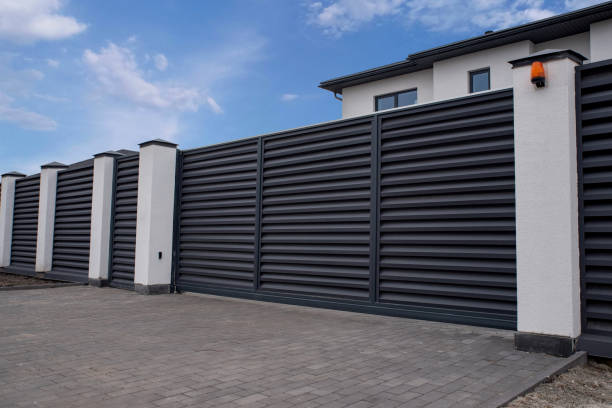
Automatic sliding gates are a popular option for homes, businesses, and industrial properties. They provide a simple way to control vehicle access while adding security and convenience. Unlike traditional swing gates, sliding gates move sideways along a track or support system, making them a good choice for driveways where space is limited.
These gates also make everyday access easier because they can be operated using remote controls, keypads, smartphone apps, or other access systems. However, regular use and exposure to outdoor conditions can affect their performance over time. Knowing how these systems work and understanding their common problems can help property owners keep them in good condition.
For property owners looking at Automatic Sliding Gates Melbourne, understanding possible issues and basic maintenance steps can help them choose a suitable system and enjoy reliable operation for years.
1. Dirt and Debris Getting Stuck in the Gate Track
A sliding gate needs a clear path to move smoothly. However, its track can collect dust, leaves, small stones, grass, and other debris. When these materials build up, they can block the gate’s movement and make it harder for the motor to operate.
This issue is common in outdoor areas, especially around driveways with gardens, trees, or gravel surfaces. Even small objects can affect how smoothly the gate opens and closes.
How to prevent this problem:
- Clean the gate track regularly to remove dirt and leaves.
- Check for small stones or objects that may block movement.
- Trim grass and plants growing close to the track.
- Make sure rainwater does not collect around the gate.
- Inspect the track after strong winds and heavy rain.
Regular cleaning helps the gate move freely and reduces extra pressure on the motor and rollers.
2. Worn-Out or Damaged Rollers
Rollers support the weight of a sliding gate and allow it to move along its track. Since they are used every time the gate opens and closes, they can wear down over time. Heavy gates, frequent use, and poor maintenance can make this happen sooner.
When rollers become worn or damaged, the gate may start shaking, moving unevenly, or making grinding sounds. Ignoring these signs can also affect other parts of the gate system.
How to prevent this problem:
- Choose strong rollers that match the gate’s weight.
- Check rollers regularly for cracks and signs of wear.
- Keep the roller area clean and free from dirt.
- Use suitable lubrication as recommended by the manufacturer.
- Arrange professional inspections if the gate starts moving unevenly.
Good-quality rollers and regular checks help maintain smooth movement and support the overall gate structure.
3. Gate Motor Overheating or Losing Power
The motor is responsible for moving an automatic sliding gate. It controls the opening and closing process and must be strong enough to handle the gate’s size and weight.
If the motor is too small for the gate or the system is used more often than recommended, it may become overloaded. Dirt around the motor, poor ventilation, electrical issues, and worn internal parts can also affect its performance.
A motor that is overheating may cause the gate to move slowly, stop during operation, or fail to respond.
How to prevent this problem:
- Select a motor suitable for the gate’s size and weight.
- Consider how many times the gate will operate each day.
- Follow the manufacturer’s recommended usage limits.
- Keep the motor area clean and free from plants and leaves.
- Make sure the motor has enough space for proper ventilation.
Choosing the correct motor from the beginning can make a big difference in the performance and lifespan of an automatic sliding gate.
4. Remote Control Not Responding
Remote controls make automatic gates easy to use, especially when entering or leaving a property by car. However, sometimes the remote may stop responding or work only from a short distance.
This can happen because of weak batteries, damaged buttons, signal interference, or problems with the receiver. In some cases, the remote may also lose its connection with the gate system.
How to prevent this problem:
- Replace remote batteries when they become weak.
- Keep the remote away from water and direct heat.
- Avoid dropping or damaging the remote control.
- Check that the receiver is positioned correctly.
- Follow the manufacturer’s instructions when adding or programming remotes.
If the remote stops working, checking the battery is a good first step before looking at other possible causes.
5. Misaligned or Uneven Gate Tracks
A sliding gate needs a properly installed and level track to move correctly. If the track becomes bent, loose, or uneven, the gate may struggle to open and close.
Ground movement, poor installation, heavy vehicle pressure, and water damage can all affect track alignment. When this happens, the gate may shake, drag along the track, or place extra pressure on the motor.
How to prevent this problem:
- Ensure the track is installed on a strong and level surface.
- Avoid driving heavy vehicles over the track.
- Check for visible bends or loose sections.
- Keep the surrounding ground stable.
- Arrange a professional inspection if the gate begins moving unevenly.
Proper track installation is important because it supports the gate’s weight and allows it to move along the correct path.
6. Electrical and Power Supply Issues
Automatic sliding gates depend on electricity to operate their motors, control boards, sensors, and access systems. Any interruption in the power supply can affect how the gate works.
Loose connections, damaged cables, electrical fluctuations, and water entering electrical components may cause unexpected operating problems. Outdoor systems need proper protection because they are exposed to rain, dust, and changing temperatures.
How to prevent this problem:
- Have electrical connections installed by a qualified professional.
- Protect cables from water and physical damage.
- Use suitable electrical protection for outdoor systems.
- Check the system after major storms or power interruptions.
- Consider a compatible battery backup system.
A backup battery can be especially useful during power outages, allowing the gate to operate for a limited time without the main electricity supply.
7. Safety Sensor Problems
Safety sensors are an important part of an automatic sliding gate. They help detect people, vehicles, pets, and other objects in the gate’s path. If an object is detected, the system can stop or reverse the gate to reduce the risk of an accident.
However, sensors may not work correctly if they become dirty, blocked, damaged, or misaligned. This can cause the gate to stop unexpectedly or prevent it from closing properly.
How to prevent this problem:
- Keep sensor surfaces clean.
- Remove plants and objects blocking the sensor area.
- Check that the sensors remain correctly aligned.
- Test safety features according to the manufacturer’s instructions.
- Arrange professional checks if the sensors behave unexpectedly.
Never ignore a safety sensor warning or try to bypass these features. They play an important role in protecting people, pets, and vehicles.
8. Weather Damage and Rust
Outdoor sliding gates are exposed to different weather conditions throughout the year. Rain, strong winds, sunlight, and temperature changes can gradually affect their appearance and performance.
Metal gates may develop rust when their protective coating becomes damaged. Moisture can also affect electrical parts, while strong winds may put additional pressure on the gate structure.
For properties in Melbourne, choosing materials that can handle changing weather conditions is an important part of long-term gate care.
How to prevent this problem:
- Choose weather-resistant materials for outdoor use.
- Use suitable protective coatings on metal surfaces.
- Check for rust, peeling paint, and surface damage.
- Keep electrical components protected from moisture.
- Clean the gate regularly to remove dirt and outdoor buildup.
Aluminium and properly treated steel are popular choices for outdoor gates because they offer strength and durability when selected for the right application.
9. Incorrect Gate Installation
Poor installation can lead to several problems with an automatic sliding gate. Incorrect measurements, an uneven foundation, unsuitable rollers, or the wrong motor can affect the entire system.
Even good-quality materials may not provide the expected performance if the gate is not installed correctly. Poor alignment can also place extra pressure on the motor and other moving parts.
How to prevent this problem:
- Choose experienced gate installation professionals.
- Make sure the foundation is stable and level.
- Select a gate design that suits the available driveway space.
- Check that the motor matches the gate’s weight and size.
- Test the complete system before regular use.
Professional installation helps ensure that all parts work together and that the gate operates safely and smoothly.
10. Ignoring Regular Gate Maintenance
Many automatic sliding gate problems develop slowly. Small issues such as loose fittings, unusual sounds, dirt buildup, and worn rollers may not seem serious at first. However, leaving them unnoticed can affect the gate’s performance over time.
Regular maintenance helps property owners identify early signs of wear and keep the system in good condition.
Some simple maintenance habits include:
- Clean the track every few months.
- Check visible parts for damage or wear.
- Listen for unusual sounds during operation.
- Keep the motor area free from dirt and leaves.
- Follow the manufacturer’s maintenance instructions.
- Arrange professional inspections at recommended intervals.
A little attention at regular intervals can help reduce unexpected problems and keep the gate working properly.
Final Thoughts
Automatic sliding gates offer a useful combination of security, convenience, and modern design. However, problems such as blocked tracks, worn rollers, motor issues, electrical faults, and damaged sensors can affect their performance. Most of these issues can be reduced through proper installation, regular cleaning, and timely inspections.
Choosing the right gate system is just as important as looking after it. Property owners should consider the gate’s material, motor capacity, available space, safety features, and daily usage before making a decision.
For anyone planning to install or upgrade a sliding gate, I Gate Automation offers gate design, fabrication, and automation solutions for residential and commercial properties. Selecting a suitable system with quality materials and reliable automation can help improve property access, security, and long-term convenience.
With the right gate design and regular care, Automatic Sliding Gates Melbourne can provide smooth operation and dependable access for many years.