The Future of Deepfakes: What It Means for Politics and Public Trust
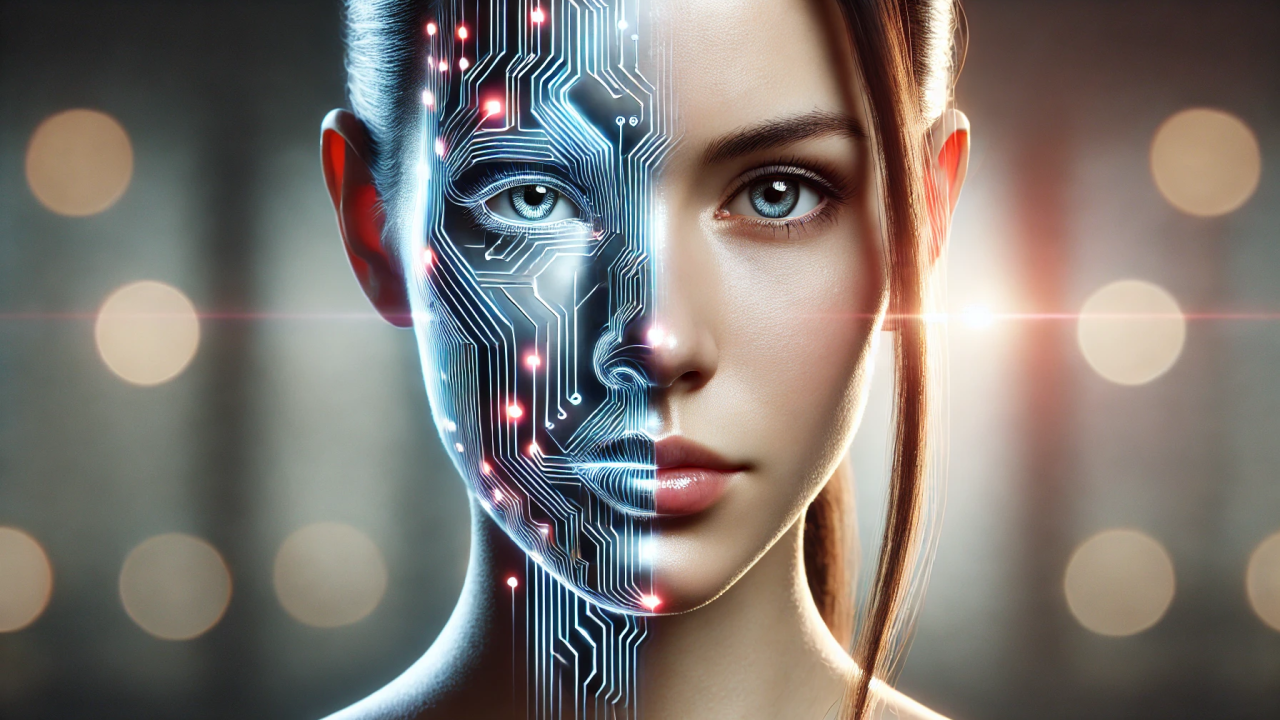
In recent years, we’ve entered a new era of digital media one where seeing isn’t always believing. The concept of the “deepfake” has moved from fringe technology into mainstream concern. But what does this mean for politics, for public trust, and for our cultural identity especially in a world at the crossroads of nostalgia (remembering simpler times) and modern living (where everything is digital, fast and global)? This article explores how deepfakes are evolving, how they impact politics and trust, and what we can do about it in simple, relatable language.
Keywords (for SEO):
- Primary: deepfakes, politics and public trust, future of deepfakes
- Secondary: disinformation, synthetic media, election interference, media literacy, digital identity, cultural living
What Are Deepfakes?
Deepfakes are synthetic media images, videos, or audio created or altered by artificial intelligence (AI) to convincingly depict something that never happened. For example: a video of a politician saying something they never said, or a voice that sounds like a public figure but is entirely fake.
Why the term matters:
- “Deep” refers to deep learning (AI models)
- “Fake” refers to the false or manipulated nature of the content
- They blur reality, making us question what is real or not
Key simple facts:
- Deepfakes use machine learning and generative AI to swap faces, alter voices, animate still images.
- They’re becoming easier to create and harder to detect.
- They carry risks beyond pure entertainment for fraud, manipulation, defamation, politics, even culture.
The Nexus: Nostalgia vs Modern Living
We live in a time when many of us feel nostalgic for the past — simpler media, trusted news, known sources. At the same time, modern living brings constant online engagement, global social media, instant sharing. This cultural tension shapes how deepfakes feel and function.
- Nostalgia: We remember trusting a newspaper or TV news anchor. We believed people we saw.
- Modern living: We now get information via phones, social networks, streams — sources are many and often anonymous.
- Deepfakes cut across both: They disrupt the trust we had (nostalgia) and exploit our digital habits (modern living).
In this cultural crossroad, deepfakes feel more disturbing because they undermine the old trust while leveraging the new digital world.
Why Politics and Public Trust Are at Risk
1. Political Manipulation & Elections
Deepfakes are increasingly used in politics. For example:
- During the 2024 election cycle, there was a surge in deepfake videos and audio impersonations aimed at influencing voters.
- Research suggests that deepfakes will likely play a major role in upcoming elections globally.
- Fraud incidents surged tenfold between 2022 and 2023 according to recent studies.
Example: In February 2024, an audio deepfake mimicked Joe Biden calling Democratic voters to stay home in a primary election.
2. Erosion of Public Trust
- Deepfakes don’t just fool people; they make people doubt everything they see or hear.
- Awareness of deepfakes triggers confusion and uncertainty in institutions like media and government.
- Studies show deepfake technology blurs the line between truth and fiction, eroding credibility.
3. Information Ecosystem at Risk
- Disinformation is an old problem; deepfakes are its modern upgrade.
- These synthetic media can spread quickly, reach millions, and the damage happens even if the fake is eventually exposed what matters is the exposure.
Real-life resource: For readers who want to learn more about technology, media, and digital trends, websites like iofbodies .com provide valuable insights and information on business and digital culture.
The Future of Deepfakes What to Expect
A. More Sophisticated Fakes
- Deepfakes will continue to improve, becoming more realistic and harder to detect.
- They pose threats to politics, identity verification, and online platforms.
B. Blurring Real and Fake Cultural Impact
- As deepfakes become common, our cultural sense of reality vs fantasy shifts.
- Nostalgia for a time when you knew who to believe may clash with modern living where you must question everything.
C. New Tools & Defenses
- Detection tech is improving, but it’s a cat‑and‑mouse game.
- Media literacy (teaching people to think critically about what they see online) is essential.
D. Regulation & Policy
- Laws are emerging in multiple countries to address malicious deepfakes.
- Governments are considering ways to hold platforms accountable and set standards for synthetic media.
What It Means for You and Me
Impact on Everyday Life
- You may see a video of a public figure doing or saying something shocking ask: is it real?
- Your trust in news, social posts, media may erode because you know manipulation is possible.
- Nostalgia and digital awareness both shape how we interpret information.
Why It Matters in Politics
- Malicious actors can use deepfakes to mislead voters, shift narratives, or tarnish reputations.
- Public trust in institutions may decline when people no longer believe their government, media, or each other.
Cultural & Social Dimension
- In areas where media literacy is low, deepfakes pose stronger risks.
- Older generations may feel anxiety, younger generations may accept digital fakes more, but the concept of “authenticity” changes for everyone.
Strategies to Respond & Stay Trustworthy
For individuals:
- Check sources carefully.
- Look for signs of manipulation.
- Pause before sharing content.
- Learn about media literacy.
For media & institutions:
- Use authentication tools.
- Label synthetic content clearly.
- Support media literacy programs.
For regulators & policymakers:
- Develop legal frameworks to penalize malicious deepfakes.
- Require platform transparency.
- Promote international cooperation.
FAQs
Q1: What kinds of deepfakes are most common in politics?
A: Video clips of public figures, audio impersonations, and synthetic social-media posts.
Q2: Can I trust content if it’s flagged as “possible deepfake”?
A: Not completely; verification from multiple sources is essential.
Q3: Are deepfakes already hurting trust globally?
A: Yes, exposure to deepfakes reduces trust in governments and institutions.
Q4: What skills can improve my ability to spot a deepfake?
A: Media literacy, checking sources, recognizing AI-generated content signs.
Q5: Will laws stop deepfakes?
A: Laws help but must be combined with technology, education, and individual awareness.
Conclusion
The future of deepfakes sits at a cultural crossroads nostalgia for trust versus modern digital living. Deepfakes pose challenges for politics, public trust, and social cohesion. But with technology, regulation, media literacy, and informed citizens, we can navigate this digital frontier.
Websites like iofbodies .com help readers understand these shifts, explore technology and business trends, and stay informed in a world where seeing may no longer always mean believing.