
Practical Vehicle Maintenance Tips for Driving in the UAE’s Climate
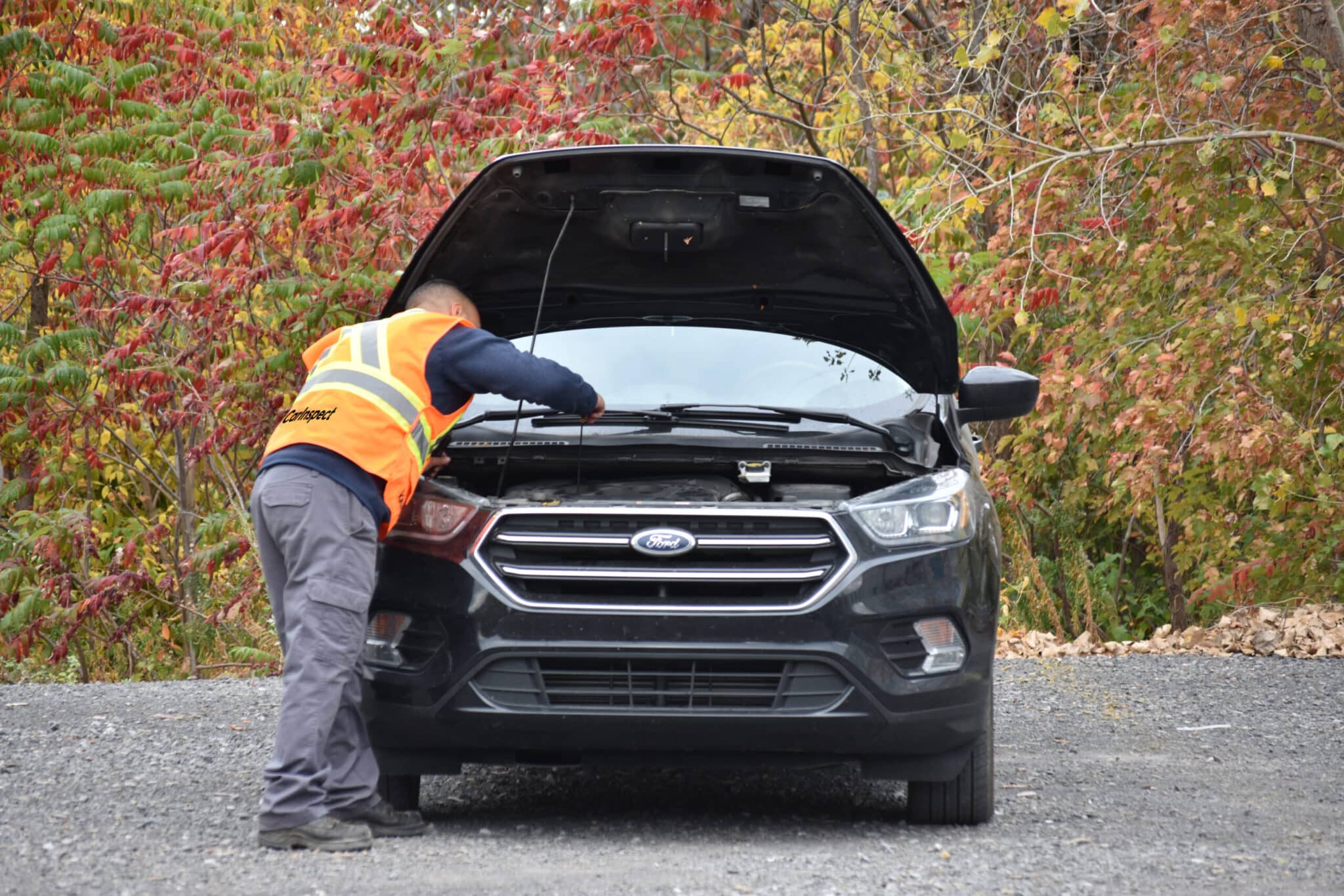 Driving in the United Arab Emirates offers world-class highways, modern infrastructure, and effortless cross-emirate travel—from daily commutes along Sheikh Zayed Road to weekend escapes toward Fujairah or Ras Al Khaimah. Yet behind the smooth asphalt lies one of the harshest automotive operating environments on the planet. Scorching summer temperatures that routinely climb past 45°C, fine desert sand suspended in the air, high coastal humidity, and rapid thermal shifts place extraordinary stress on every mechanical and electrical system in a car.
Standard global service intervals are rarely enough to protect a vehicle operating year-round in the Gulf. Adapting your care routine to regional weather realities prevents roadside breakdowns, preserves resale value, and keeps your car performing safely through peak summer heat and dusty seasonal winds.
Protect the Cooling System Against Extreme Heat
In the UAE, a vehicle’s cooling system works at maximum capacity for more than half the year. Stop-and-go city traffic combined with ambient temperatures above 45°C pushes engine oil and coolant temperatures to their upper limits. If a radiator hose cracks, a thermostat sticks, or coolant levels drop even slightly, an engine can overheat within minutes—leading to warped cylinder heads or blown head gaskets.
Follow these essential cooling system habits to prevent heat-related engine failure:
Check Coolant Levels and Concentration Monthly: Inspect the overflow reservoir when the engine is cold and ensure you are using the manufacturer-specified ethylene-glycol coolant mix rather than plain tap water, which causes scale buildup and lowers the boiling point.
Inspect Belts, Hoses, and Radiator Fins: Extreme under-hood heat dries out rubber hoses and serpentine belts prematurely. Squeeze hoses to check for brittleness or swelling, and clear accumulated sand or insects from the front radiator and AC condenser fins so airflow remains unrestricted.
Test the Radiator Pressure Cap: A weak cap fails to maintain system pressure, allowing coolant to boil over prematurely in heavy summer traffic.
Safeguard Your Battery From Rapid Thermal Degradation
Many drivers assume cold weather kills car batteries, when in reality, extreme heat accelerates internal chemical corrosion and electrolyte evaporation far faster. While a car battery in Europe or North America might last four to five years, batteries in the UAE typically have an average lifespan of just 18 to 24 months. Worse still, heat-damaged batteries rarely give weeks of slow-cranking warning signs; they often fail abruptly in an underground mall parking lot or office garage.
Have your battery’s cold cranking amps (CCA) and alternator charging output tested every six months, especially right before the onset of summer in April or May. Clean white or greenish corrosion off the battery terminals regularly, and ensure the battery hold-down bracket and thermal heat shield—if equipped—are securely fastened to minimize vibration damage.
Manage Tire Pressure, Heat Buildup, and Tread Wear
Hot asphalt acts like a giant griddle beneath your tires. During peak afternoon hours in July and August, road surface temperatures across Dubai and Abu Dhabi can exceed 65°C. Combined with sustained highway speeds of 120 to 140 km/h, intense friction causes internal tire air pressure to rise rapidly while softening rubber compounds.
Under-inflated tires flex excessively at high speeds, generating dangerous internal heat that frequently leads to sudden blowouts. Check tire pressures at least twice a month—always in the early morning when tires are cold—and inflate them strictly to the PSI listed on the driver’s side door jamb sticker. Inspect sidewalls for dry rot, cracking, or bulges caused by UV exposure, rotate your tires every 8,000 to 10,000 kilometers, and replace any tire approaching the four-to-five-year manufacturing date mark (indicated by the four-digit DOT code on the sidewall), even if plenty of tread depth remains.
Combat Fine Desert Sand, Dust, and Coastal Humidity
Windblown desert sand and microscopic dust particles are unavoidable across the Emirates, particularly during seasonal Shamal winds. Left unchecked, abrasive dust infiltrates intake tracts, clogs filtration media, and acts like sandpaper against moving mechanical joints and suspension seals. Relying on specialized Automotive Maintenance Dubai workshops ensures that engine air filters, cabin microfilters, and exposed chassis components are inspected, cleaned, and replaced on a schedule tailored to dusty Gulf conditions rather than mild temperate climates. Beyond filtration, high coastal humidity along the Arabian Gulf accelerates oxidation on exposed brake rotors, undercarriage fasteners, and electrical connectors, making routine underbody washes and protective seal checks essential for preventing premature corrosion.
Service the Air Conditioning System and Engine Lubricants
In the UAE, vehicle air conditioning is a safety necessity rather than a mere luxury. Running the AC compressor continuously under heavy thermal load strains refrigerant seals, condensers, and blower motors. If cabin airflow weakens or cooling takes noticeably longer at idle, have a technician check refrigerant pressure, inspect for UV dye leaks, and clean the evaporator drain tube so condensation does not back up into the footwell.
Simultaneously, extreme heat thins conventional motor oil faster, reducing its protective film strength between high-friction engine components. Always use high-grade full synthetic motor oil with the exact viscosity rating recommended by your manufacturer, and adhere strictly to 5,000-to-10,000-kilometer oil and filter change intervals depending on your driving habits. Frequent short trips in heavy traffic count as severe operating conditions and warrant more frequent fluid changes—including transmission and brake fluid flushes, since high humidity degrades hygroscopic brake fluid faster than many drivers realize.
Proactive, climate-aware care transforms how a vehicle ages in the Emirates—delivering cold AC on the hottest afternoons, confident highway stability, and reliable performance wherever the road takes you.