
Garage Sharjah: Ask Before Approving Warning-Light Repairs
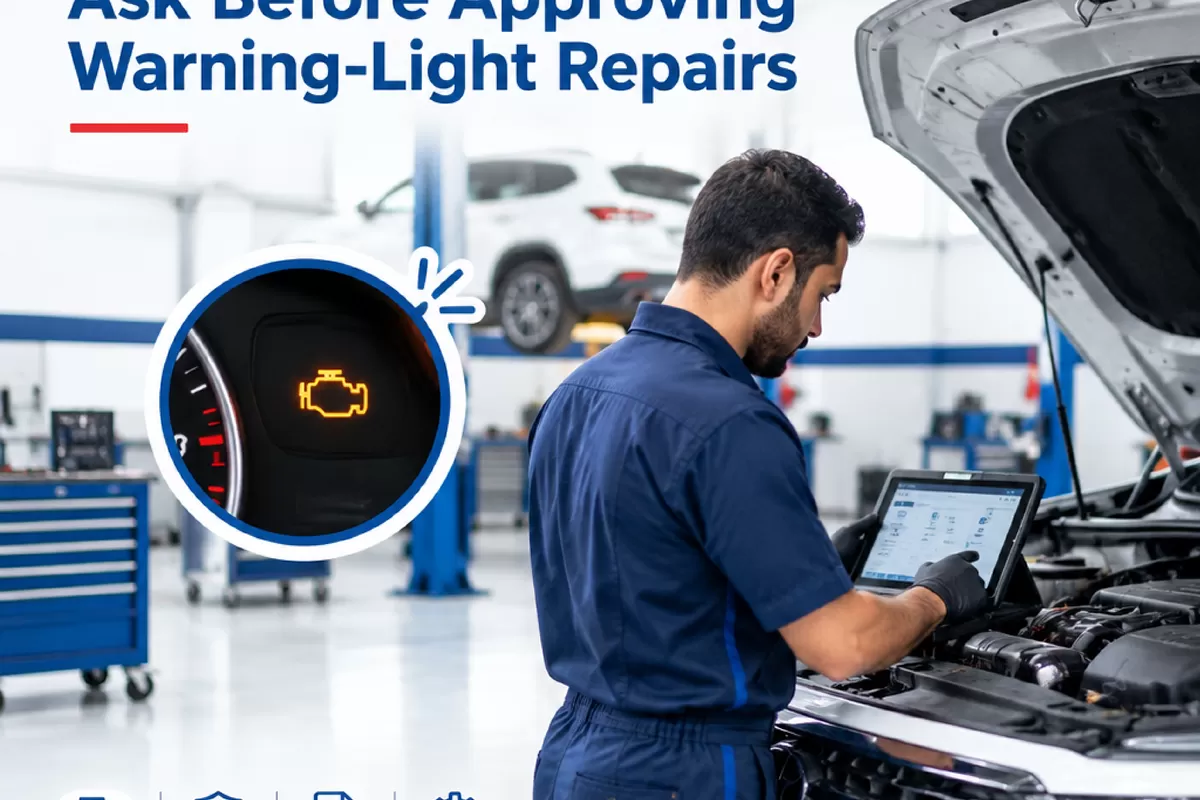
A warning light can leave you wondering whether to keep driving, book a garage or ask for help straight away. For drivers in Sharjah, the safest next step depends on the symbol, how the car feels and whether the warning stays on or flashes. You do not need to diagnose the fault yourself. A clear account of what happened helps a workshop assess the problem and explain what checks may be needed.
Before contacting a garage in Sharjah, record the warning and any changes in how the car runs. Then ask how diagnosis will be carried out, when you will hear the findings and whether you will approve any repair before work begins. Those questions make the visit easier to manage without guessing at the cause.
Record the warning and symptoms before calling a garage in Sharjah
Start with the exact dashboard symbol or message. If it is safe to do so, take a photo while the car is parked. Note whether the light appeared at start-up or during a journey, whether it stayed on or flashed, and whether it disappeared after restarting. The owner’s manual can help explain what the warning generally refers to, but it cannot confirm the underlying fault.
Describe what the car was doing at the time. Useful details include a change in engine response, unusual noise, vibration, braking feel, steering, temperature or air conditioning. For example, say that the engine felt less responsive after the warning appeared, rather than guessing that a particular component has failed. Include recent events if relevant, such as a battery change or a service, but do not present them as proof of the cause.
Sharjah driving can involve hot conditions and periods of slow traffic, so note the circumstances as plainly as you can: for example, whether the warning came on after a longer drive or while moving slowly. These details give the technician context. They do not establish a diagnosis on their own.
- Write down the warning message or describe the symbol and its colour.
- Note when it appeared, whether it is still showing and whether it flashes.
- List any changes in how the car starts, runs, steers or stops.
- Tell the workshop about recent repairs or maintenance, if you know the details.
Keep the notes factual. A dashboard warning can point to a system that needs checking, but the same warning may have different causes. Avoid clearing messages or disconnecting the battery just to make the light disappear, since this may remove useful information or make the situation harder to assess.
Ask what diagnosis involves before work begins
When you contact a garage, ask what information they need before you bring the vehicle in. Explain the warning and symptoms, then ask whether the car should be driven to the workshop or whether you should arrange assistance. The right answer depends on the warning and the car’s condition, so give the garage enough detail to advise responsibly.
Before diagnosis starts, clarify the process. Ask what checks are proposed, whether any diagnostic fee applies and what that fee covers. A diagnostic scan reads information from vehicle systems, but it does not always identify a failed part by itself. The technician may need to inspect or test components before explaining the likely cause. Ask how the workshop will distinguish a confirmed fault from a possibility that needs further checking.
It is also reasonable to ask how you will receive the findings and whether the garage will contact you before carrying out repairs. Establish whether the initial diagnostic charge is separate from repair costs, and ask what happens if more investigation is needed. These practical questions help you understand the process before you agree to it.
- What checks do you recommend based on the warning and symptoms?
- What does the diagnostic fee include, and could further testing cost extra?
- Will you explain the findings and provide a quote before repair work?
- Can you tell me whether driving the vehicle to the workshop is appropriate?
A clear answer should explain the next step in language you can follow. If something is unclear, ask the adviser to separate what the technician has confirmed from what they suspect. You are not expected to know technical terms to make an informed decision.
Review the findings and repair proposal before approving
Once the workshop has assessed the vehicle, ask what the warning means in this particular case and what evidence supports the proposed repair. A useful explanation connects the reported symptoms, the checks performed and the recommended work. If more testing is suggested, ask what question that test is intended to answer and whether the workshop will update you before proceeding.
Before authorising work, review the written quote. Check that it identifies the recommended tasks, parts and labour, and ask whether any items are optional or urgent. If OEM parts are proposed, ask which parts are included and whether the quote specifies them. Confirm the total and whether it could change if further faults are found. Do not feel pressured to approve additional work you do not understand. You can ask for the explanation in writing and take time to consider it.
Drivers comparing a garage sharjah car service option can review Smart Garage UAE’s details as a Sharjah-based technical workshop, including its Hyundai mechanical and electrical repairs using dealership-grade diagnostics. That Hyundai-specific information applies to Hyundai service, not automatically to every vehicle. When discussing any car, confirm which checks and parts are relevant to its make and model.
Before agreeing, make sure you know how the workshop will confirm the repair is complete and whether any follow-up advice will be provided. This does not mean every warning will have a simple fix. If the assessment identifies more than one issue, ask which item relates to the warning and which work can wait, if any.
Know when to stop driving and what to do next
Some warnings or symptoms call for caution rather than a routine booking. Stop somewhere safe and consult the vehicle manual or seek professional help if the car shows an oil pressure or high-temperature warning, a brake warning with a change in braking, a flashing engine warning, smoke, a burning smell, significant loss of power or unusual steering or braking behaviour. Do not continue driving if you believe the vehicle may be unsafe. Arrange suitable roadside assistance or recovery if needed.
A warning light without obvious changes in how the car behaves still deserves attention. Contact a workshop and describe the symbol, whether it is steady or flashing, and any symptoms. Ask whether the vehicle should be driven or recovered. If the warning disappears, mention that too rather than assuming the fault has resolved.
For your next step, keep the photo and symptom notes together, call a Sharjah workshop and ask about the diagnostic process and approval point. When you receive the findings, compare the explanation with the quote and ask questions before authorising repairs. These small steps help you make a considered decision, while leaving the technical diagnosis to a qualified technician.