
Air Conditioning Replacement New Orleans LA: A Complete Guide to Choosing a New AC System
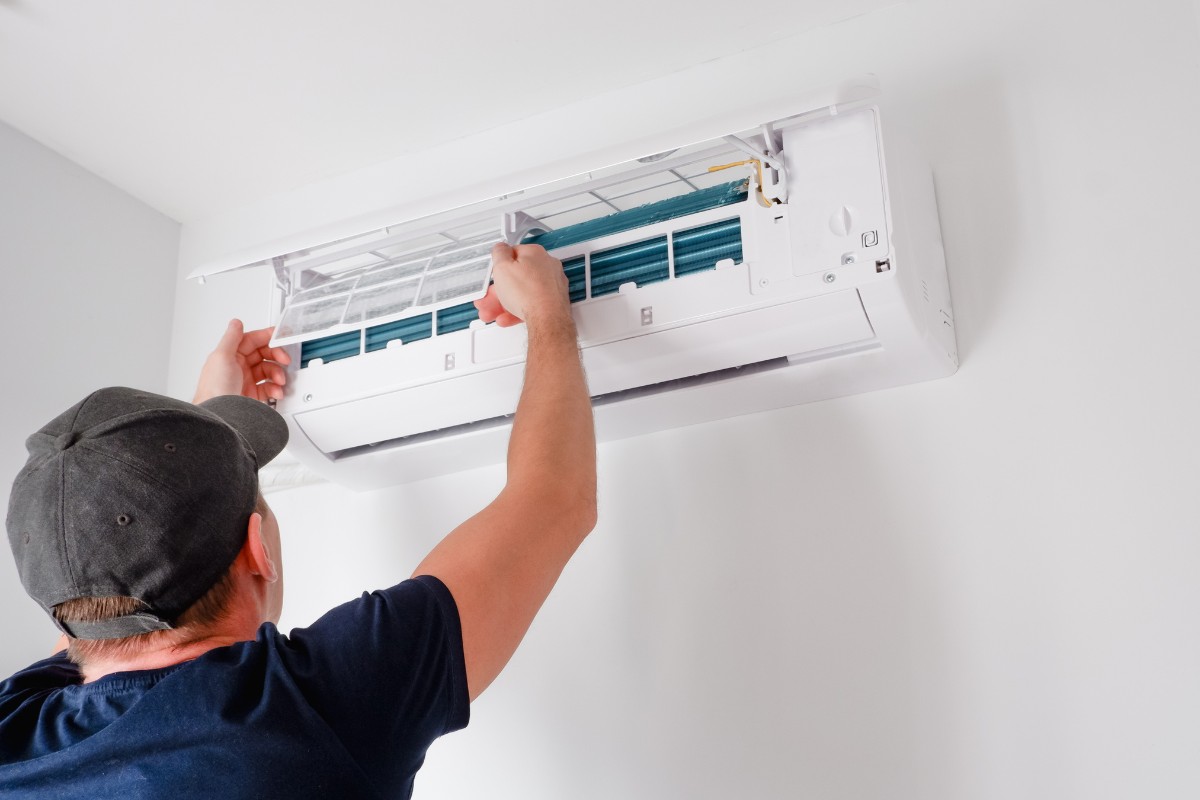
Air conditioning is essential for maintaining a comfortable indoor environment in New Orleans, especially during the long, hot, and humid summer months. Cooling systems often operate for extended periods to keep indoor temperatures comfortable. Over time, regular use can cause components to wear out, reduce cooling performance, and increase the need for repairs. When an air conditioner becomes unreliable or no longer provides sufficient cooling, replacing the existing system may be a practical solution.
Many homeowners continue repairing older air conditioning units because they want to avoid the expense of purchasing new equipment. However, repeated breakdowns, rising energy bills, uneven cooling, and declining performance can indicate that an existing system is approaching the end of its useful life. In these situations, a new air conditioning system may provide more dependable operation and better indoor comfort.
Understanding when replacement is necessary, how to select suitable equipment, and why professional installation matters can help homeowners make informed decisions. A properly selected and installed cooling system can support consistent indoor temperatures and reliable performance throughout the warmer seasons.
When Should You Consider Air Conditioning Replacement?
An air conditioner does not need to stop working completely before replacement becomes worth considering. Several warning signs can indicate that an existing cooling system is becoming less reliable. One common sign is frequent equipment breakdowns. If homeowners regularly need professional repairs to keep their air conditioner running, replacing the system may be more practical than continuing to spend money on an aging unit.
Another indication is reduced cooling performance. An air conditioner may continue operating for long periods without maintaining the desired indoor temperature. Some rooms may remain warm while others feel comfortable, suggesting that the system is struggling to distribute cooling effectively.
Increasing energy consumption can also be a reason to evaluate the condition of an older unit. Worn components, restricted airflow, and declining equipment performance may cause the system to work harder than necessary. If energy bills continue increasing without a clear explanation, a professional inspection can help determine whether replacement should be considered.
Unusual noises, refrigerant-related problems, and repeated electrical issues may also indicate that the equipment needs serious attention. An HVAC professional can inspect the system and explain whether repairing the existing unit or installing new equipment is the better option.
Why Air Conditioning Replacement Matters in New Orleans LA
New Orleans experiences high temperatures and humidity during much of the year, making reliable cooling important for residential comfort. Air conditioning systems in this climate often operate for extended periods, which can place additional pressure on compressors, fan motors, coils, electrical components, and drainage systems.
When an older air conditioner loses its ability to cool effectively, indoor spaces can become uncomfortable. High humidity can make the situation worse because indoor air may feel warmer and less pleasant even when the temperature does not seem extremely high.
Professional air conditioning replacement helps homeowners upgrade equipment that no longer meets their cooling requirements. A properly selected system can provide more consistent cooling and support better humidity management when correctly installed and maintained.
Replacing an aging unit at the right time can also help reduce the inconvenience of unexpected breakdowns during periods of extreme heat. Planning a replacement before the existing system fails completely gives homeowners more time to compare equipment options and arrange professional installation.
Benefits of Installing a New Air Conditioning System
A new air conditioning system can offer several advantages when an older unit has become inefficient or unreliable. One important benefit is improved cooling performance. Modern systems are available in different capacities and configurations, allowing homeowners to select equipment that matches their property’s cooling requirements.
Energy efficiency is another consideration. Newer air conditioners may use less electricity than older equipment, depending on their efficiency ratings, installation quality, and operating conditions. Choosing an appropriately sized system can also help avoid unnecessary energy consumption.
Improved indoor comfort is another potential advantage. A properly selected air conditioner can help maintain more consistent temperatures throughout the property. Some systems also offer improved humidity control and quieter operation compared with older equipment.
A replacement system may also reduce the need for repeated repairs associated with aging components. Although all air conditioning equipment requires maintenance, installing new equipment can provide homeowners with a fresh starting point for maintaining reliable cooling.
Types of Air Conditioning Systems Available for Replacement
Choosing the right replacement equipment is an important part of the process. Different homes have different cooling requirements, and the most suitable system depends on property size, existing ductwork, insulation, and household preferences.
Central Air Conditioning Systems
Central air conditioning systems are commonly used in homes with existing ductwork. They distribute cooled air through a network of ducts and vents, helping maintain comfortable temperatures throughout the property.
When replacing an older central air conditioner, homeowners should consider the condition of the existing ductwork, the size of the equipment, and its efficiency rating. A properly matched indoor and outdoor system can support consistent cooling and reliable operation.
Ductless Mini-Split Systems
Ductless mini-split systems provide cooling without requiring traditional ductwork. They are useful for homes without existing ducts, room additions, converted spaces, and areas that need independent temperature control.
These systems generally include an outdoor unit connected to one or more indoor units. Their configuration allows homeowners to manage temperatures in different areas of the property according to their needs.
Heat Pump Systems
Heat pumps provide both heating and cooling through a single system. They transfer heat rather than generating it through conventional heating methods, making them an option for homeowners who want year-round temperature control.
Before choosing a heat pump as a replacement, homeowners should consider property requirements, system efficiency, and installation costs. An HVAC professional can evaluate the home and explain whether this equipment is suitable.
What to Expect During Professional AC Replacement
Professional replacement involves several steps to ensure the new equipment is installed correctly. The process generally begins with an inspection of the existing air conditioning system. The technician evaluates the equipment’s condition, ductwork, electrical connections, and overall cooling requirements.
The next step involves selecting an appropriately sized replacement unit. A professional contractor should consider the property’s layout, insulation, windows, occupancy, and other factors rather than simply choosing equipment based on the size of the old unit.
Once the equipment has been selected, the contractor prepares the installation area and removes the existing system according to appropriate safety procedures. The new indoor and outdoor components are then installed, connected, and checked.
After installation, the technician evaluates refrigerant charge, airflow, electrical connections, thermostat operation, and cooling performance. Proper system testing helps confirm that the replacement equipment is operating as expected.
Homeowners should also receive information about operating the new system, maintaining its filters, and understanding applicable manufacturer and installation warranties.
How Much Does Air Conditioning Replacement Cost in New Orleans LA?
The cost of replacing an air conditioner depends on several factors, including equipment type, system size, energy efficiency, installation requirements, and the condition of existing components.
A basic replacement involving compatible equipment and existing ductwork may cost less than a project requiring additional electrical work, duct modifications, or other installation changes. More advanced systems with higher efficiency ratings may also have different purchase and installation costs.
The condition of the indoor and outdoor components is another important consideration. Sometimes, replacing only one part of the system may be possible, but compatibility and overall equipment condition should be evaluated before making that decision.
Homeowners should request a written estimate that clearly explains equipment specifications, labor, materials, permit costs, and any additional installation work. Comparing detailed estimates can help identify the most suitable replacement option.
Why Professional Installation Is Important
Installing a new air conditioner requires technical knowledge and careful attention to equipment specifications. Incorrect installation can affect cooling performance, energy consumption, and the long-term condition of the system.
Professional installation helps ensure that indoor and outdoor components are properly matched and connected. Technicians also check refrigerant-related performance, electrical connections, airflow, drainage, and thermostat settings.
Another important factor is equipment sizing. An oversized air conditioner may turn on and off too frequently, while an undersized system may struggle to maintain comfortable temperatures during hot weather. Proper load calculations help determine the appropriate equipment capacity.
In New Orleans, homeowners should also confirm that the contractor handles the required permits. The City of New Orleans requires a mechanical permit for air conditioning equipment replacement, and the appropriate licensed contractor must apply for it.
City of New Orleans+1
How to Maintain Your New Air Conditioning System
After installing replacement equipment, regular maintenance is important for supporting reliable operation. Homeowners should follow the manufacturer’s recommendations for inspecting and replacing air filters. Clean filters help maintain proper airflow and reduce unnecessary strain on the system.
The outdoor unit should also remain clear of leaves, grass, dirt, and other debris. Keeping the surrounding area clean helps prevent airflow restrictions and supports normal equipment operation.
Professional maintenance should include inspecting electrical connections, checking coils, evaluating condensate drainage, and reviewing overall cooling performance. These inspections can help identify potential problems before they lead to unexpected equipment failure.
Homeowners should also pay attention to changes in system performance. Unusual sounds, water leaks, weak airflow, and inconsistent temperatures may indicate that the equipment needs professional attention.
Final Thoughts
Replacing an older air conditioning system can be a practical investment for homeowners who experience frequent breakdowns, poor cooling performance, or increasing repair expenses. In New Orleans, dependable cooling is particularly important because hot temperatures and high humidity can make indoor spaces uncomfortable when an air conditioner is not working properly.
Professional air conditioning replacement helps homeowners choose suitable equipment, improve cooling performance, and maintain a comfortable indoor environment. Understanding different system options, comparing installation estimates, and selecting an experienced HVAC contractor can make the replacement process easier.
Regular maintenance after installation is equally important for supporting reliable equipment operation. With the right replacement system and proper professional care, homeowners can enjoy dependable cooling and better indoor comfort throughout the warmer months.