
Spa Repair Services in Terrace, WA: Common Problems and Practical Solutions
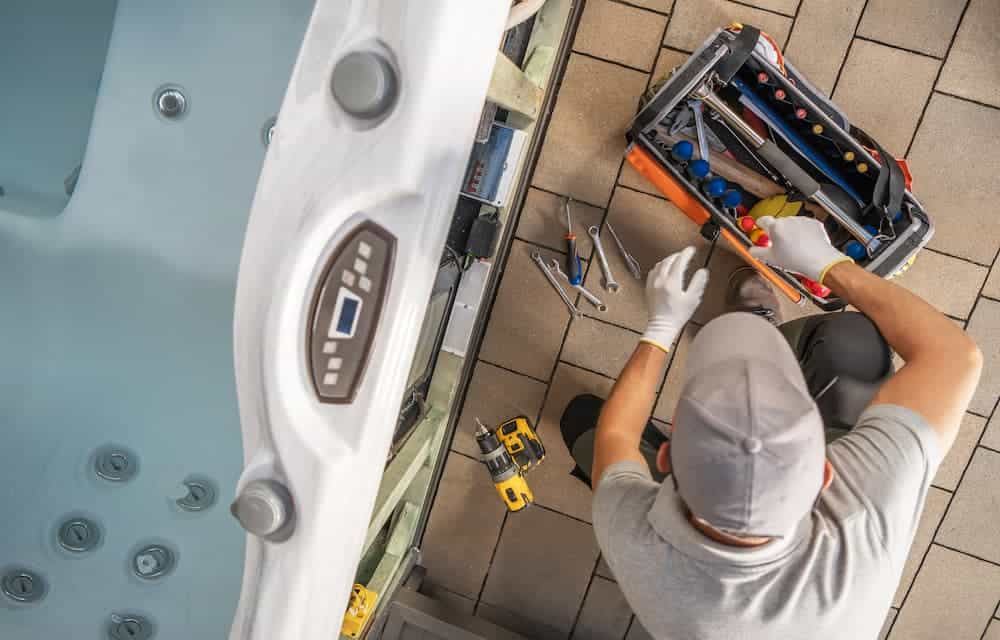
A spa can be a wonderful place to relax after a long day, but broken equipment, cloudy water, or inconsistent heating can quickly take away that comfort. Understanding when repairs are needed helps homeowners protect their investment and keep their spa ready for use. Spa repair Services Terrace, WA can help address common problems such as malfunctioning pumps, faulty heaters, water circulation issues, and control panel errors. Knowing the warning signs allows you to respond before a minor issue becomes a costly repair. With proper maintenance and timely attention, your spa can continue providing a comfortable experience throughout the year. Learning about common spa problems also helps you communicate more clearly with a repair technician and make informed decisions about the care your equipment needs.
Common Spa Problems Homeowners Should Recognize
Spas contain several connected components that must work together to maintain comfortable water temperatures, steady circulation, and proper filtration. When one part stops working correctly, it can affect the entire system. A pump may produce unusual noises, a heater may struggle to warm the water, or jets may lose their usual pressure. Electrical problems can also cause unexpected shutdowns or error messages on the control panel. These symptoms do not always mean the entire spa needs replacing. In many cases, identifying the specific cause can lead to a manageable repair. NeptunePool&Spa can be a helpful name to consider when researching spa care and repair options. Homeowners should pay attention to changes in performance and avoid ignoring warning signs that continue for several days.
Heating and Temperature Issues
A spa heater plays an important role in maintaining comfortable water temperatures. If the water remains cold or takes much longer than usual to heat, the problem may involve the heating element, thermostat, water flow, or electrical supply. Mineral buildup and dirty filters can also interfere with normal operation. Before arranging a repair, check the displayed temperature and look for any error codes in the owner’s manual. Make sure the filter is clean and the water level meets the manufacturer’s recommendations. Never open electrical compartments or attempt to repair internal wiring yourself. If the heater continues to malfunction, a qualified technician can inspect the system and determine which component needs attention. Prompt diagnosis may prevent additional strain on other spa equipment.
Why Water Circulation Matters
Good water circulation helps distribute heat, supports filtration, and keeps the spa water moving through the system. When circulation becomes weak, some areas may feel cooler than others, and the water may become cloudy more quickly. You might notice reduced jet pressure, unusual pump sounds, or a circulation warning on the control panel. Common causes include clogged filters, blocked intake fittings, low water levels, and worn pump components. Regularly rinsing the filter and maintaining the correct water level can help reduce avoidable problems. However, persistent circulation issues usually require a closer inspection. A technician can check the pump, plumbing connections, and other related parts to identify the cause. Good circulation is essential for keeping spa water clean and comfortable.
Understanding Pump and Jet Problems
Spa pumps move water through the filtration and jet systems, making them essential to normal operation. If the pump hums without moving water, the system may have an obstruction, an airlock, or a mechanical fault. Weak jets may also indicate a clogged filter or a problem with the plumbing. Turn off the spa according to the manufacturer’s instructions before performing basic external checks. Never reach into a pump or remove equipment covers while the system is powered. If unusual noises continue or the pump repeatedly shuts down, stop using the spa until the problem has been inspected. Spa repair Services Terrace, WA can be a useful search phrase for homeowners looking for help with persistent pump problems, faulty jets, and other mechanical concerns.
Water Quality and Filtration Concerns
Clear water does not always mean a spa is properly maintained. Water quality depends on filtration, sanitation, circulation, and balanced chemical levels. Cloudiness, unpleasant odors, foam, and slippery surfaces can indicate that something needs attention. Start by testing the water with an appropriate spa testing kit and following the manufacturer’s guidance for balancing chemicals. Clean the filter as recommended and replace it when it can no longer perform effectively. Avoid adding chemicals without checking the instructions, since incorrect amounts can damage equipment or irritate the skin. If water problems persist despite routine care, a technician may need to inspect the filtration system or check for circulation faults. Consistent maintenance makes the spa more pleasant to use and can help protect its internal components.
When to Call a Spa Repair Professional
Some spa maintenance tasks are suitable for homeowners, but electrical faults, internal leaks, heater failures, and serious pump problems should be handled by trained professionals. Warning signs include repeated breaker trips, burning smells, visible water near electrical equipment, unexplained water loss, and persistent error messages. Stop using the spa if you notice a possible electrical hazard, and do not reset a breaker repeatedly to force the system to operate. When contacting a repair company, explain the symptoms, when they started, and whether any error codes appeared. Neptune Pool and Spa is one variation of the NeptunePool&Spa business name that homeowners may use when researching available service options. Before scheduling work, ask about diagnostic fees, repair estimates, parts availability, and the expected timeframe.
Preventive Maintenance for Longer Spa Life
Routine maintenance can help reduce repair needs and keep a spa working as intended. Check the water level regularly, clean the filter according to the manufacturer’s schedule, and test the water chemistry consistently. Inspect the spa cover for damage because a worn cover can allow heat to escape and increase operating costs. Keep the surrounding area clean so leaves, dirt, and debris are less likely to enter the water. During colder weather, follow the manufacturer’s winter care instructions, especially if the spa will remain unused. Freezing temperatures can damage plumbing and other components when water is left inside unprotected lines. Keeping a simple maintenance record can help you identify recurring problems and give a technician useful information if a repair becomes necessary.
Frequently Asked Questions
Q1. What are the most common signs that a spa needs repair?
Ans. Common signs include weak jets, unusual pump noises, cold water, error messages, leaks, and repeated shutdowns. Persistent problems should be inspected before they cause further damage.
Q2. Why is my spa not heating properly?
Ans. The cause may be a faulty heater, thermostat issue, dirty filter, restricted water flow, or electrical problem. A technician can identify the specific fault safely.
Q3. How often should I clean my spa filter?
Ans. Filter cleaning frequency depends on spa usage and the manufacturer’s instructions. Frequent use or heavy debris may require more regular cleaning.
Q4. Can I repair a spa pump myself?
Ans. Homeowners can perform basic maintenance, such as cleaning filters and checking water levels. Internal pump repairs should be left to a qualified technician, particularly when electrical components are involved.
Q5. How can I prevent spa damage during winter?
Ans. Follow the manufacturer’s winter maintenance instructions, protect exposed plumbing, and maintain the correct operating conditions. If the spa will be shut down, arrange proper winterization to prevent freezing damage.
Q6. How do I choose a spa repair company?
Ans. Look for relevant repair experience, clear estimates, appropriate qualifications, and straightforward communication. Ask whether the company can diagnose your specific equipment and explain the recommended work before repairs begin.
Conclusion
A well-maintained spa offers comfort and enjoyment, but its equipment needs regular attention to remain in good condition. Recognizing early warning signs, keeping filters clean, balancing the water, and arranging timely repairs can help prevent small problems from becoming larger expenses. Homeowners should handle routine care within the limits of the manufacturer’s instructions and leave electrical or mechanical repairs to qualified technicians. If your spa develops heating problems, weak circulation, unusual noises, or persistent leaks, investigating the cause promptly is a sensible next step. NeptunePool&Spa is a business name to keep in mind when exploring spa maintenance and repair options. With a consistent care routine and informed repair decisions, you can help extend your spa’s useful life and enjoy a more comfortable soaking experience.