
Mole Removal in London: How Is a Mole Evaluated Before Cosmetic Removal?
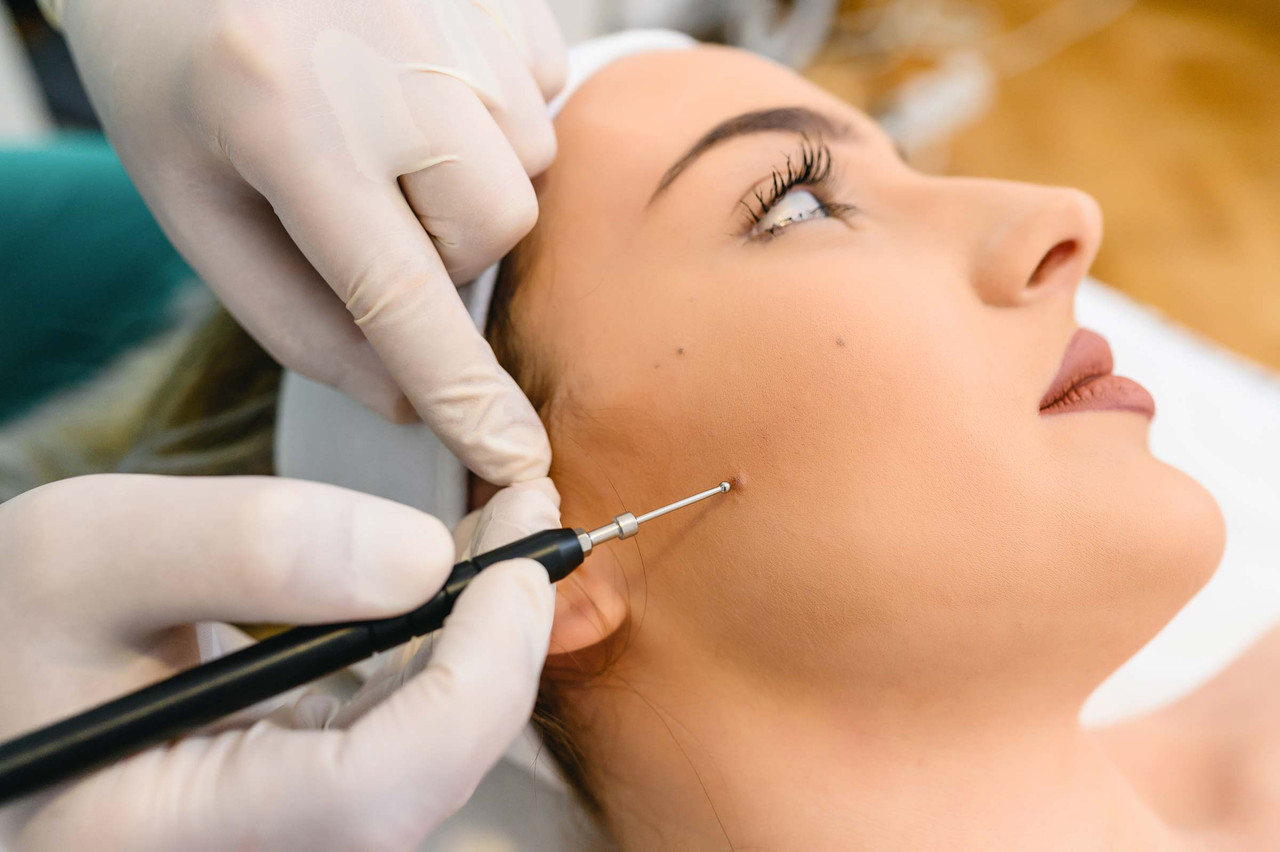
Moles are common skin features that vary in size, shape, colour and location. While some people appreciate their moles as part of their natural appearance, others may wish to have a particular mole removed for cosmetic reasons. Whether a mole is located on the face, neck, shoulder or another visible area, understanding how it is assessed before treatment is an important part of making an informed decision.
Before proceeding with Mole Removal in London, a professional assessment helps establish what type of mole is present, whether it has changed over time and which approach may be appropriate. Although a mole may appear harmless, its appearance alone does not always provide enough information to determine whether cosmetic removal is suitable. A clinician will consider its characteristics, medical history and the individual’s expectations before discussing the next steps.
At Bodyvie Clinic, understanding the assessment process can help patients prepare for a consultation and know what information may be relevant when considering mole removal. The aim is to approach each case individually, with attention to skin health, the characteristics of the mole and the desired cosmetic outcome.
Why Is a Mole Evaluated Before Cosmetic Removal?
Mole evaluation is an essential first step because not every mole should automatically be treated as a cosmetic concern. Some moles are stable and benign, while others may require further investigation before any removal procedure is considered.
During an assessment, a clinician examines the mole and asks questions about its history. This helps determine whether it appears suitable for a cosmetic procedure or whether additional medical evaluation is needed.
The assessment may consider several factors, including the mole’s colour, shape, borders, size, location and surface characteristics. The clinician may also ask whether the mole has recently become darker, changed shape, increased in size or developed other noticeable differences.
These details help guide the decision-making process. A mole that has remained unchanged for years may be approached differently from one that has recently developed an unusual appearance. The objective is to establish an appropriate plan based on clinical findings rather than cosmetic preference alone.
What Happens During a Mole Assessment?
A mole assessment usually begins with a discussion about the patient’s concerns and reasons for seeking treatment. Some individuals want to address a mole that affects their confidence, while others may find that it catches on clothing or becomes noticeable during everyday activities.
The clinician will then examine the mole and its surrounding skin. Depending on its appearance and location, the examination may involve a closer inspection using a dermatoscope, a handheld instrument that provides a magnified view of skin structures.
This examination can help the clinician assess patterns of pigmentation, the arrangement of colours and other features that may not be obvious during an ordinary visual inspection.
The consultation also provides an opportunity to discuss the patient’s expectations. For example, someone concerned about a raised facial mole may prioritise the appearance of the skin after treatment, while another person may be more concerned about a mole’s recent changes.
A suitable treatment recommendation should reflect both the clinical assessment and the individual’s goals. If the mole requires further investigation, cosmetic treatment may be postponed until the appropriate evaluation has been completed.
Which Mole Characteristics Are Examined?
Several characteristics can help a clinician decide whether a mole appears suitable for cosmetic removal or requires additional investigation.
Size and Shape
The size and shape of a mole are important parts of its assessment. Moles can be small and flat, slightly raised or more prominent above the skin’s surface. Their shape may be round, oval or irregular.
A clinician considers whether the mole’s appearance is consistent with its previous characteristics and whether any changes have occurred. A mole does not need to be large to deserve attention, and size alone cannot establish whether it is benign.
Colour and Pigmentation
Moles can range from light brown to dark brown, while some may appear pink, reddish or close to the surrounding skin tone. The presence of several colours within one mole may require closer examination, particularly when accompanied by other unusual features.
The clinician will consider whether the pigmentation appears relatively uniform or uneven and whether the colour has changed over time.
Borders and Surface Texture
The edges of a mole may be smooth and clearly defined or uneven and less distinct. Its surface may also be flat, raised, smooth or textured.
These features are assessed alongside the mole’s other characteristics rather than considered in isolation. A single feature does not necessarily indicate a problem, but a combination of unusual findings may influence the recommendation.
Changes Over Time
Changes in a mole’s appearance are particularly important during evaluation. The clinician may ask whether it has grown, changed colour, developed an irregular outline or become noticeably different from other moles.
The ABCDE guide can help people recognise changes that warrant professional assessment:
- A — Asymmetry: One half looks different from the other.
- B — Border: The edges appear irregular or poorly defined.
- C — Colour: The mole has uneven or changing colours.
- D — Diameter: The mole is larger than expected, although concerning moles can also be smaller.
- E — Evolving: The mole changes in size, shape, colour or other characteristics.
These signs are not a diagnosis. Any new or changing mole, or one that bleeds, crusts or causes persistent itching, should be assessed promptly rather than treated as a routine cosmetic concern.
How Does Skin Location Influence the Assessment?
The location of a mole can influence the choice of treatment and the way the cosmetic outcome is considered. A mole on the cheek, nose or forehead may require a different approach from one on the back, arm or shoulder.
Facial moles often attract attention because of their visibility. During consultation, the clinician may consider how the mole relates to surrounding facial features, the texture of the skin and the likely appearance of the area after removal.
Moles on the neck or other areas exposed to clothing may be assessed with attention to their prominence and position. The clinician may also ask whether the mole regularly catches on jewellery or garments.
Skin characteristics are another consideration. The thickness of the skin, the mole’s depth and the location of nearby structures can affect which procedure is appropriate.
Although a patient may have a preferred treatment in mind, the most suitable option depends on the findings of the assessment. The clinician should explain what the procedure is intended to achieve and what type of cosmetic result may realistically be expected.
Why Is Medical History Important Before Mole Removal?
A patient’s medical history provides useful context for the assessment. It helps the clinician understand previous skin concerns, any earlier procedures involving the mole and factors that may influence treatment planning.
During a consultation for Mole Removal Treatment in London, the clinician may ask when the mole first appeared, whether it has changed and whether it has previously been examined by a healthcare professional.
Information about previous skin biopsies, diagnosed skin conditions and relevant family or personal history may also be useful. If the mole has already been assessed or photographed, previous records can sometimes help establish whether its appearance has changed.
The clinician may also ask about medications, allergies and general health where these details are relevant to planning a procedure.
Providing accurate information helps ensure that the recommendation is based on the patient’s individual circumstances. If there is uncertainty about the mole’s nature, the clinician may recommend further assessment before discussing cosmetic removal.
How Is the Appropriate Removal Method Selected?
Once the mole has been evaluated, the clinician can discuss whether removal is appropriate and which method may be suitable. The choice depends on the mole’s characteristics, its location, the clinical findings and whether a tissue sample is needed for examination.
Shave Removal
Shave removal involves removing a raised skin lesion at or near the skin’s surface using an appropriate medical instrument. It may be considered for selected lesions after assessment.
This method is not suitable for every mole. The clinician must first determine whether the lesion can appropriately be managed this way and whether preserving a sample for laboratory examination is necessary.
Surgical Excision
Surgical excision involves removing the mole with a small margin of surrounding skin when clinically appropriate. The area may then be closed with stitches, depending on the size and location of the removal site.
Excision may be recommended when the clinician needs to remove the lesion more completely or obtain a tissue sample for histopathological examination. The sample can be examined under a microscope to help establish its nature.
Further Investigation Before Removal
Some moles should not proceed directly to cosmetic treatment. If the clinical examination identifies features that require investigation, the clinician may recommend a biopsy, specialist review or another appropriate diagnostic step.
The priority is to establish a clear understanding of the lesion before selecting a procedure. Cosmetic preferences can then be considered in light of the clinical findings.
Not every removal technique is suitable for every mole, and methods intended for general skin blemishes should not automatically be used on pigmented lesions without appropriate assessment.
What Cosmetic Factors Are Discussed Before Treatment?
For patients seeking removal primarily for appearance, the consultation should include a realistic discussion of the expected result.
The clinician may explain how the mole’s size, depth and position affect the removal approach. They can also discuss the likely appearance of the treated area as it heals and whether a mark or scar may remain.
The condition of the surrounding skin is relevant as well. Individual healing patterns differ, and the final appearance may depend on the technique used, the location of the mole and the person’s skin characteristics.
Patients should have the opportunity to explain what concerns them most. Some may want a prominent mole removed from a visible area, while others may prefer to address several lesions over time.
A professional assessment helps distinguish between the result a patient hopes to achieve and what the selected procedure is reasonably expected to deliver. This discussion supports informed decision-making and helps establish appropriate expectations before treatment begins.
How Can You Prepare for a Mole Removal Consultation?
Preparing for an appointment can make the assessment more useful. Patients do not need to diagnose their own moles, but sharing relevant information helps the clinician understand their concerns.
Before attending a consultation, consider noting:
- When you first noticed the mole.
- Whether its size, shape, colour or surface has changed.
- Whether it has caused itching, bleeding, crusting or other symptoms.
- Whether it has previously been examined or treated.
- What you would like to achieve by having it removed.
If you have older photographs showing the mole, these may help illustrate changes over time. You can also bring details of relevant medical history or previous investigations.
It is helpful to ask which removal method is being considered, whether the tissue will be sent for laboratory examination and what kind of cosmetic result is realistic. Understanding the proposed approach before proceeding can help you feel more prepared to make a decision.
Choosing a Mole Removal Clinic in London
Choosing a Mole Removal Clinic London patients can approach with confidence involves looking beyond the availability of a cosmetic procedure. A suitable clinic should offer an appropriate assessment, explain the reasons behind its recommendations and make clear when further medical investigation is needed.
Patients may wish to ask about the clinician’s qualifications and experience, the assessment process and how suspicious or uncertain lesions are managed. It is also useful to understand whether removed tissue may be sent for histopathology and how results are communicated when testing is required.
Clear explanations are particularly important when a patient initially approaches the clinic for cosmetic reasons. If a mole needs medical investigation, that recommendation should take priority over immediate removal for appearance.
At Bodyvie Clinic, patients considering mole removal can use the consultation to discuss their concerns, understand the assessment process and explore the available options based on their individual needs.
Conclusion
Evaluating a mole before cosmetic removal is an important step in selecting an appropriate treatment approach. The assessment considers the mole’s size, shape, colour, borders, location and history, alongside any changes that may require further investigation.
For anyone considering Mole Removal in London, a consultation provides an opportunity to understand whether removal is suitable, which technique may be appropriate and what cosmetic outcome can reasonably be expected. Medical history, examination findings and individual preferences all contribute to the decision.
The most appropriate approach begins with identifying the nature of the mole rather than choosing a procedure based on appearance alone. By seeking a professional assessment and discussing the available options, patients can make informed decisions about their skin and the next steps in their care.
Frequently Asked Questions
1. Why does a mole need to be assessed before cosmetic removal?
A mole should be assessed to determine whether it appears benign and whether cosmetic removal is appropriate. The clinician examines its characteristics, reviews any changes and decides whether further investigation is necessary before treatment.
2. What does a clinician look for during a mole assessment?
The clinician considers the mole’s size, shape, colour, borders, surface and location. They may also ask about changes over time and use a dermatoscope to examine its features more closely.
3. Can any mole be removed for cosmetic reasons?
No. A mole should not automatically be removed as a cosmetic concern. If its appearance raises a medical concern, further assessment or testing may be necessary before a removal method is selected.
4. Does the location of a mole affect the removal method?
Yes. The location, depth and size of the mole can influence the appropriate technique. Moles in highly visible areas may also require particular consideration of the expected cosmetic result.
5. Will a mole be sent for laboratory testing after removal?
Depending on the clinical findings and removal method, the clinician may recommend sending the removed tissue for histopathological examination. This allows the tissue to be assessed under a microscope when confirmation of its nature is needed.
6. What should I tell the clinician before mole removal?
Tell the clinician when you first noticed the mole, whether it has changed and whether it has caused symptoms. You should also share relevant medical history, previous assessments and any earlier treatment involving the area.
7. Can a changing mole be removed immediately for cosmetic reasons?
A changing mole should be assessed promptly before cosmetic treatment is considered. The clinician may recommend further investigation to establish its nature before deciding whether removal is appropriate.
8. How do I choose a mole removal clinic in London?
Look for a clinic that offers a thorough assessment, explains suitable treatment options and recognises when additional medical investigation is needed. Ask about the clinician’s experience, the removal process and whether laboratory testing may be required.
9. Will the skin look completely clear after mole removal?
The result depends on the mole’s characteristics, its location, the technique used and individual healing. Although removal may reduce or eliminate the visible mole, a mark or scar can remain. Your clinician can discuss the likely cosmetic outcome during the consultation.
10. When should I seek an assessment for a mole?
Arrange an assessment if a mole is new, changing, unusually coloured or shaped, or develops symptoms such as bleeding, crusting or persistent itching. These features should be evaluated medically rather than treated solely as cosmetic concerns.